While visiting Miyajima, I had already heard about the extremely popular Kakiya, said to be the pinnacle of oyster cuisine. After waiting in line and trying it for myself, I completely understood why it has such high ratings and a great reputation!
As soon as I reached the entrance, the traditional Japanese wooden building gave off a warm yet professional feeling. Although you may have to wait during meal times, the staff is very efficient at seating guests and taking orders. As soon as we sat down, we ordered their signature Kakiya Set Meal, which includes oysters prepared in a variety of ways.
The most impressive dish was the plate of plump, freshly grilled oysters in the shell! They arrived at the table still steaming and fragrant with charcoal. With the first bite, the outside was lightly charred and aromatic, while the inside was plump and juicy. The fresh, sweet flavor of the sea burst in my mouth. They were unbelievably fresh, without even a hint of fishiness. In addition to grilled oysters, the set included fried oysters, oyster rice, oysters dressed with vinegar, and oyster miso soup. It was truly a luxurious all-oyster feast.
The oyster rice was especially good, with the rice soaking up the rich seafood flavor. The fried oysters had a crisp, non-greasy coating, with a crunchy exterior, tender center, and all the juices sealed inside. Every dish showed the restaurant's extremely high standards for ingredient quality and freshness. Although it's slightly expensive for a casual meal, it's absolutely a top-quality experience worth the price for seafood lovers. If you're visiting Miyajima, I highly recommend adding Kakiya to your lunch or dinner plans. You're sure to leave completely satisfied and thinking about the meal long afterward!
Kakiya (Miyajima) | Review by Jk
Other Reviews by Jk
-
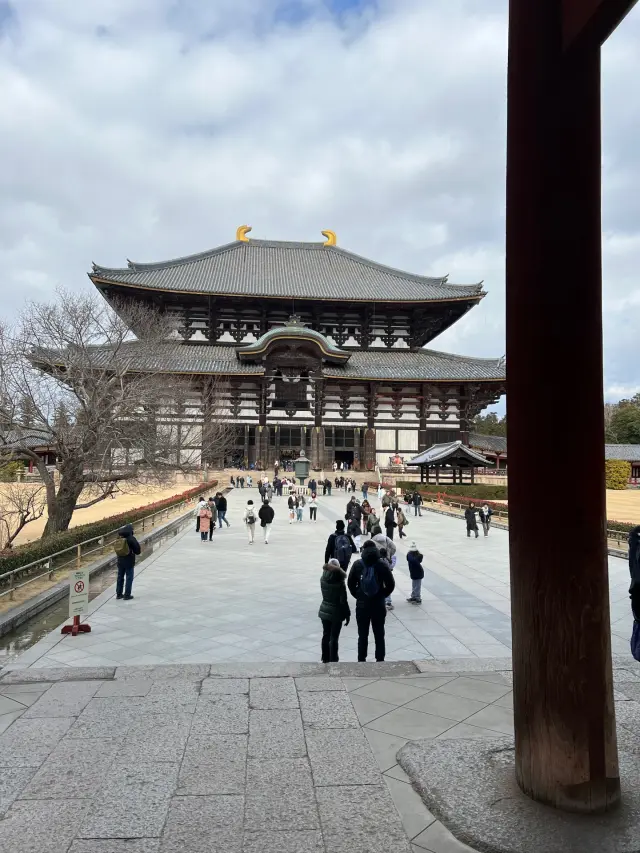
Todaiji Temple
The Great Buddha Vairocana was commissioned by Emperor Shomu during the Nara period and consecrated in 752. The temple complex took nearly 40 more years to complete, making Todaiji one of Nara's most prominent temples. It continued to prosper under generous protection even after the capital was moved from Heijo-kyo.
Inside the hall, there’s also a classic must-try highlight that really tests your size and flexibility: the “Great Buddha’s Nostril” hole at the bottom of the thick wooden pillar behind and to the right of the Great Buddha! Legend says the hole is exactly the same size as the Great Buddha’s nostril. If you can successfully squeeze through it, you’ll be free from illness and misfortune for the entire year and receive good luck and blessings. You’ll often see kids slip through in a second like eels, while adults get stuck and make everyone burst out laughing. The atmosphere is super cheerful! If you still have energy after touring the Great Buddha Hall, I highly recommend walking up to Nigatsudo Hall, located partway up the hill nearby. From its large wooden terrace, you can take in the entire city of Nara and the distant mountains without paying an admission fee. At dusk, the sunset is as beautiful as a painting!
-
-
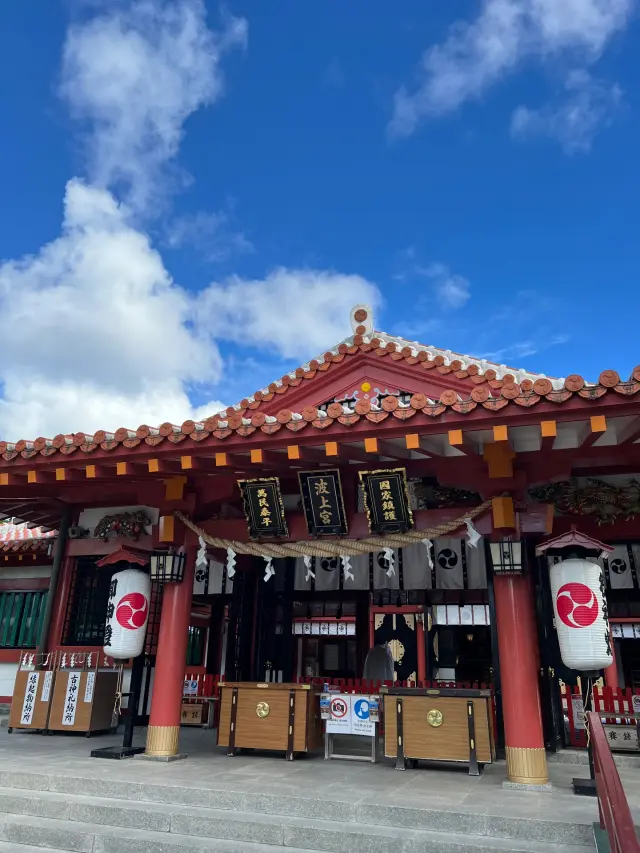
Naminoue Shrine
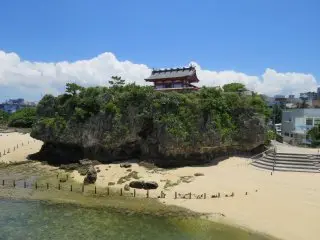
As the name implies, this ancient shrine stands on a quay overhanging the blue sea, and is affectionately known as "Nanmin-san" by the local people.
Naminoue Shrine in Naha sits right by the sea. The sight of the red-tiled wooden shrine built directly on top of a coral cliff, with the endless Ryukyu-blue ocean behind it, is so beautiful it leaves you speechless! This is the foremost of Okinawa’s Eight Shrines and the most prestigious and representative shrine in Okinawa. It’s completely different from the traditional shrines on Japan’s main islands—the worship hall’s roof is covered in distinctive Okinawan red tiles, and a pair of imposing Ryukyu-style shisa stand guard at the entrance, perfectly blending Shinto with the atmosphere of a tropical island! Standing on the approach by the cliff, feeling the sea breeze and listening to the waves crash against the rocks below, instantly puts you in a super chill tropical vacation mood.
-
-
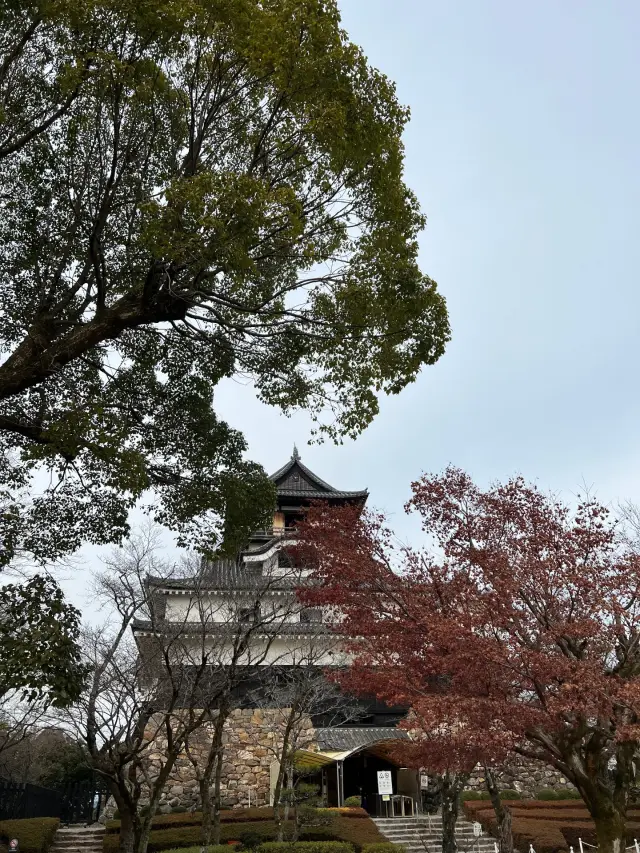
Inuyama Castle
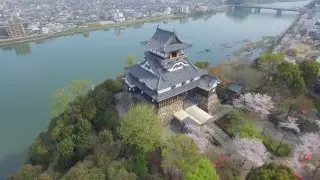
The castle keep is one of only five in Japan designated as National Treasures. Believed to be the oldest surviving castle keep in Japan, it is known for its early watchtower-style architecture. It is said to have been built in 1537 during the Muromachi period by Oda Nobuyasu, the uncle of Oda Nobunaga. Standing on a low hill with the Kiso River protecting its rear, it was considered a castle with strong rear defenses. Together with the surrounding castle town, it became an important center for trade, politics, and the economy.
On a small hill beside the Kiso River in Aichi Prefecture, you look up and see Inuyama Castle, a National Treasure wooden castle keep that has survived all the way from the Sengoku period to the present day, and instantly feel as if you've traveled back to the thrilling era when Oda Nobunaga and Toyotomi Hideyoshi fought for control of the country! It's one of only 12 original castle keeps remaining in all of Japan, and the oldest wooden castle among them. It's completely different from the castles later rebuilt with concrete. Once inside, you have to take off your shoes and walk on the cool, smooth centuries-old wooden floors, then climb extremely steep, almost vertical wooden stairs all the way to the top. The floorboards even make faint creaking sounds with every step. That raw, authentic sense of history really gives you goosebumps all over!
-