
Gifu City Itinerary: Explore the City Associated with Warring States Commander Oda Nobunaga
The charismatic Oda Nobunaga (1534–1582) defeated rival commanders one after another and came close to unifying Japan during the Warring States period (around 1467–1615). Gifu was the city where Nobunaga, who remains immensely popular in Japan, built his power base and gained a foothold toward national unification. Gifu City is dotted with places associated with him, including Gifu Castle, as well as attractions that reflect the spirit of hospitality he left behind. Here are the highlights.
How to Get to Gifu City
Gifu Prefecture is located inland near the center of Japan. Its capital, Gifu City, lies in the southern part of the prefecture, close to Nagoya, the largest city in the Chubu region.
The usual way to reach Gifu City is to transfer to a conventional JR line at Nagoya Station, where Nozomi Shinkansen trains stop. Nagoya lies between Tokyo and Osaka and is about 1 hour 30 minutes from Tokyo, about 1 hour from Osaka, and about 40 minutes from Kyoto by Shinkansen. From Nagoya Station, Gifu Station is approximately 20 minutes away by rapid train on a conventional JR line.
Meitetsu trains are convenient when traveling from Chubu Centrair International Airport. Direct limited express trains run from Central Japan International Airport Station to Meitetsu Gifu Station, with no transfers required. The trip takes about 1 hour.
From Takayama, a major city in northern Gifu Prefecture, the trip takes about 2 hours on the Hida limited express train on a conventional JR line. Before or after visiting Takayama and Shirakawa-go, both popular with international travelers, be sure to stop in Gifu City, where Japanese culture remains deeply rooted.
Getting Around Gifu City
Many of the places featured in this article are concentrated around Gifu Park, making it easy to explore the area efficiently.
Buses are the main way to get around the city. Buses toward Nagarabashi, which serve Gifu Park, run especially frequently, so waits are generally short during the day. Buses toward Nagarabashi are available from both JR Gifu Station and Meitetsu Gifu Station.
Gifu Park is also only about 15 minutes by car from JR Gifu Station and Meitetsu Gifu Station, making taxis another practical option.
Gifu-ride, a bike-sharing service, is particularly useful for exploring compact Gifu City. Bikes can be rented and returned freely at 29 cycle ports around the city as of August 2026, with most available 24 hours a day. The 24-hour flat-rate Day Plan, starting at ¥600, offers good value for sightseeing. You must download the app to use the service.
Gifu City Itinerary: Explore the City Associated with Warring States Commander Oda Nobunaga
10:00 a.m. Meet the Golden Statue of Nobunaga Outside JR Gifu Station
As soon as you arrive at JR Gifu Station, the gateway to Gifu City, a gleaming golden statue of Oda Nobunaga welcomes you.
The monument stands approximately 8 meters tall including its pedestal, while the statue itself is about 3 meters high and covered with three layers of gold leaf. Wearing a cape, Nobunaga holds a firearm said to have been introduced through Tanegashima, an island in present-day Kagoshima Prefecture, in his right hand and a Western-style helmet in his left. The figure perfectly reflects Nobunaga's image as an early adopter of Western culture. Begin your trip by greeting him.

10:30 a.m. Experience the Bustle of a Castle Town at Gifu Castle Rakuichi
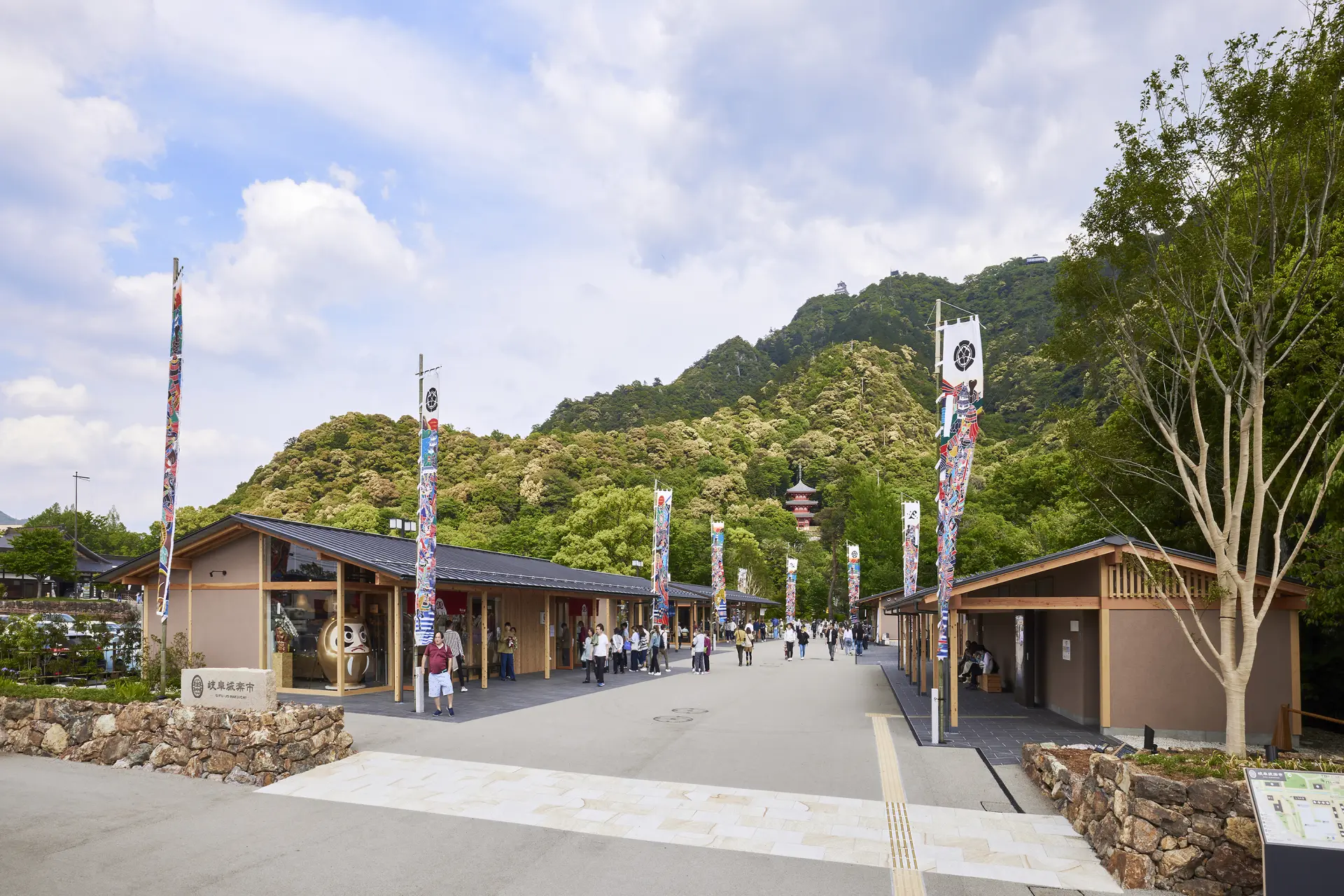
Head to Gifu Castle Rakuichi, which opened in Gifu Park, the base for your sightseeing, in April 2025.
Inspired by Nobunaga's rakuichi-rakuza free-market policy, the facility is lined with shops offering flavors distinctive to Gifu, including Hida beef dishes, candied fruit, and soft-serve ice cream.
Pick up a tempting sweet and explore Gifu Park while soaking up the lively atmosphere of a castle town.
10:50 a.m. Stroll Through Gifu Park, Once Home to Nobunaga's Residence
Explore Gifu Park, which spreads out at the foot of Mount Kinka, crowned by Gifu Castle. The park is a popular place for residents and visitors to relax.
This was once the site of the residences of Saito Dosan, the Warring States commander who was Nobunaga's father-in-law, and Nobunaga himself when they ruled Gifu Castle. Archaeological excavations continue here today.

11:20 a.m. Learn About Nobunaga's Warring States Era at the Gifu City Museum of History
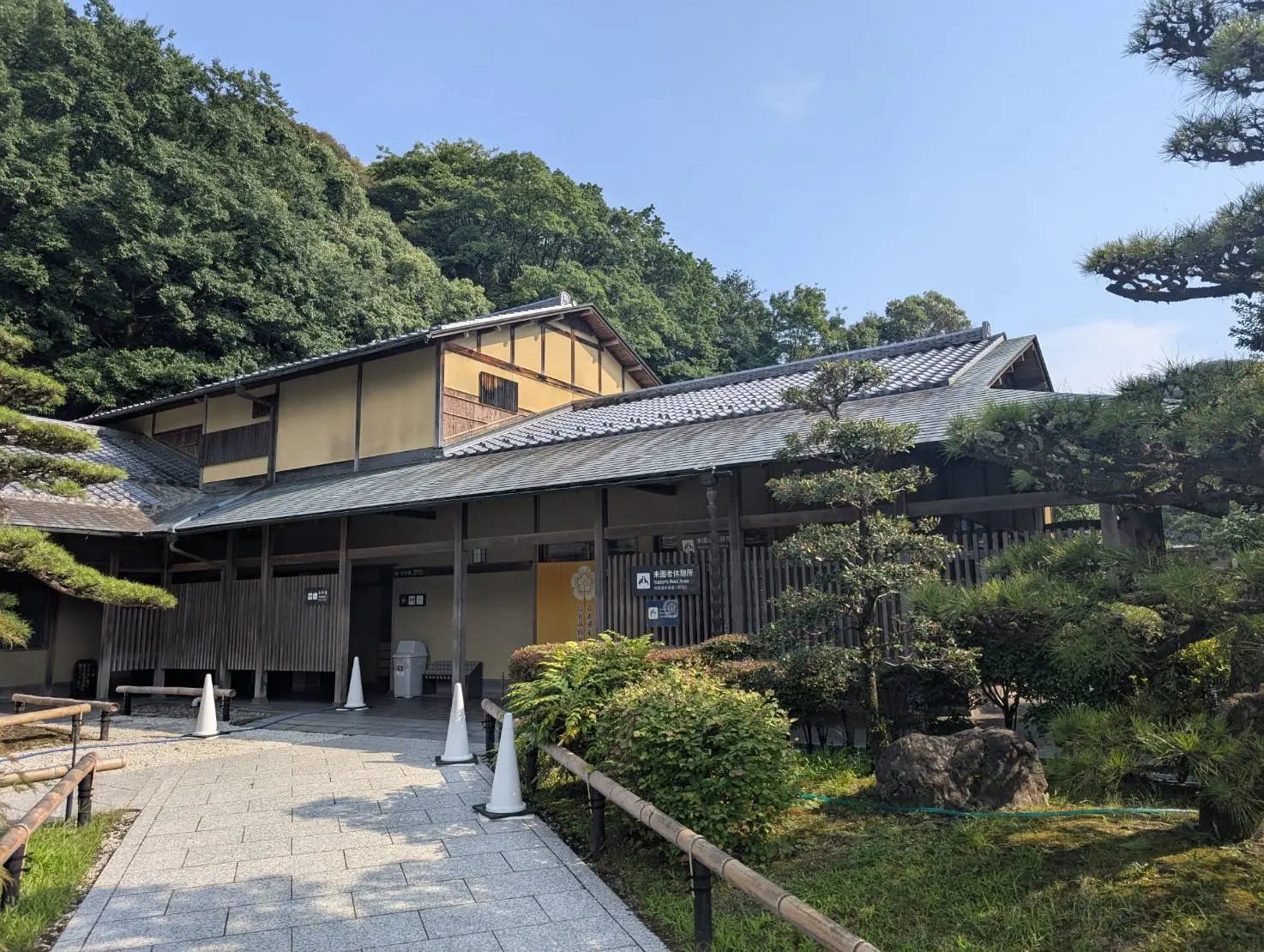
Before ascending to Gifu Castle on the summit of Mount Kinka, visit the Gifu City Museum of History for a deeper understanding of its history.

The museum also has extensive displays about the Warring States period, when Nobunaga lived and which is the theme of this trip. One highlight is the reconstruction of Gifu's castle town under Nobunaga's rakuichi-rakuza policy. This policy revitalized the local economy by liberalizing commerce. It demonstrates that Nobunaga's charisma extended beyond military power to politics and governance.

Other exhibits, including armor, helmets, weapons, and illustrated scrolls, offer a visual introduction to Nobunaga and the Warring States period. The immersive Tenka Bird's-Eye Picture Scroll exhibit is especially notable for synchronizing video with a diorama.

As of August 2026, the museum is closed for renovations and is scheduled to remain closed through Monday, November 2, 2026. It is expected to reopen with new exhibits.
12:15 p.m. Ride the Gifu Kinkazan Ropeway to the Summit
Ride the ropeway, which takes about 4 minutes to connect Gifu Park, once home to Nobunaga's residence, with the summit of Mount Kinka and Gifu Castle. You are now approaching Nobunaga's military stronghold.

The gondola provides sweeping views of forested Mount Kinka, the Nagara River, and the Gifu cityscape. In addition to Gifu Castle, the summit has a restaurant and Gifu Kinkazan Squirrel Village, where visitors can interact with squirrels.


12:30 p.m. Lunch at a Restaurant Overlooking Gifu City
Before visiting Gifu Castle, have lunch at Le Pont de Ciel, a restaurant near the summit station. Its dining area offers panoramic views of Gifu City.
The menu features many dishes made with local ingredients, including internationally renowned Hida beef and branded pork from Gifu Prefecture. Most are prepared by hand. The restaurant also uses many locally produced ingredients beyond the main components, including miso, soy sauce, and other seasonings, providing a taste of Gifu's rich culinary culture.

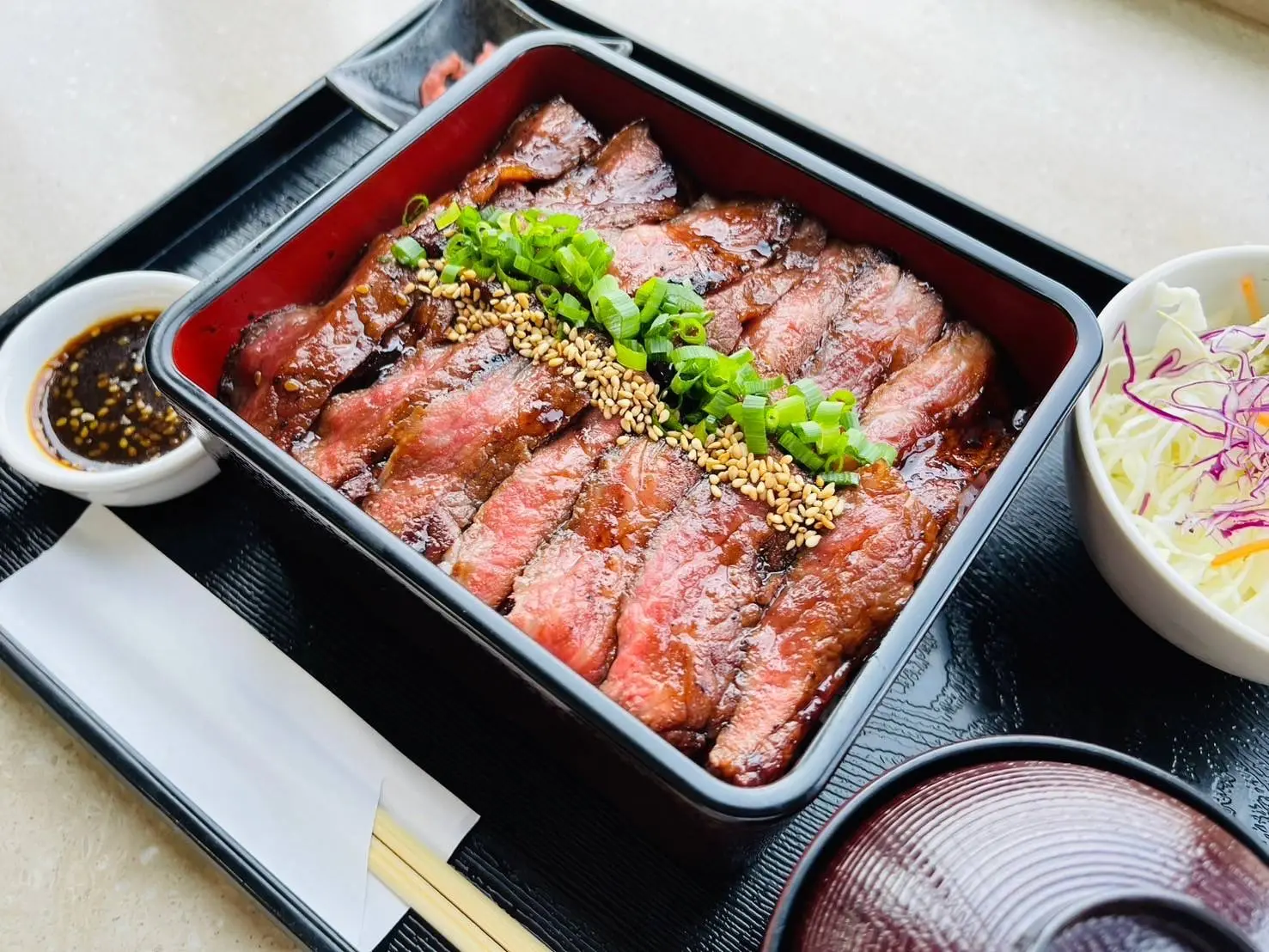
History enthusiasts will appreciate the many dishes named after Warring States lords. One of the most popular is the Hida Beef Yakiniku Rice Box, made with lean A5-grade beef. This indulgent dish showcases the rich flavor of Hida beef.
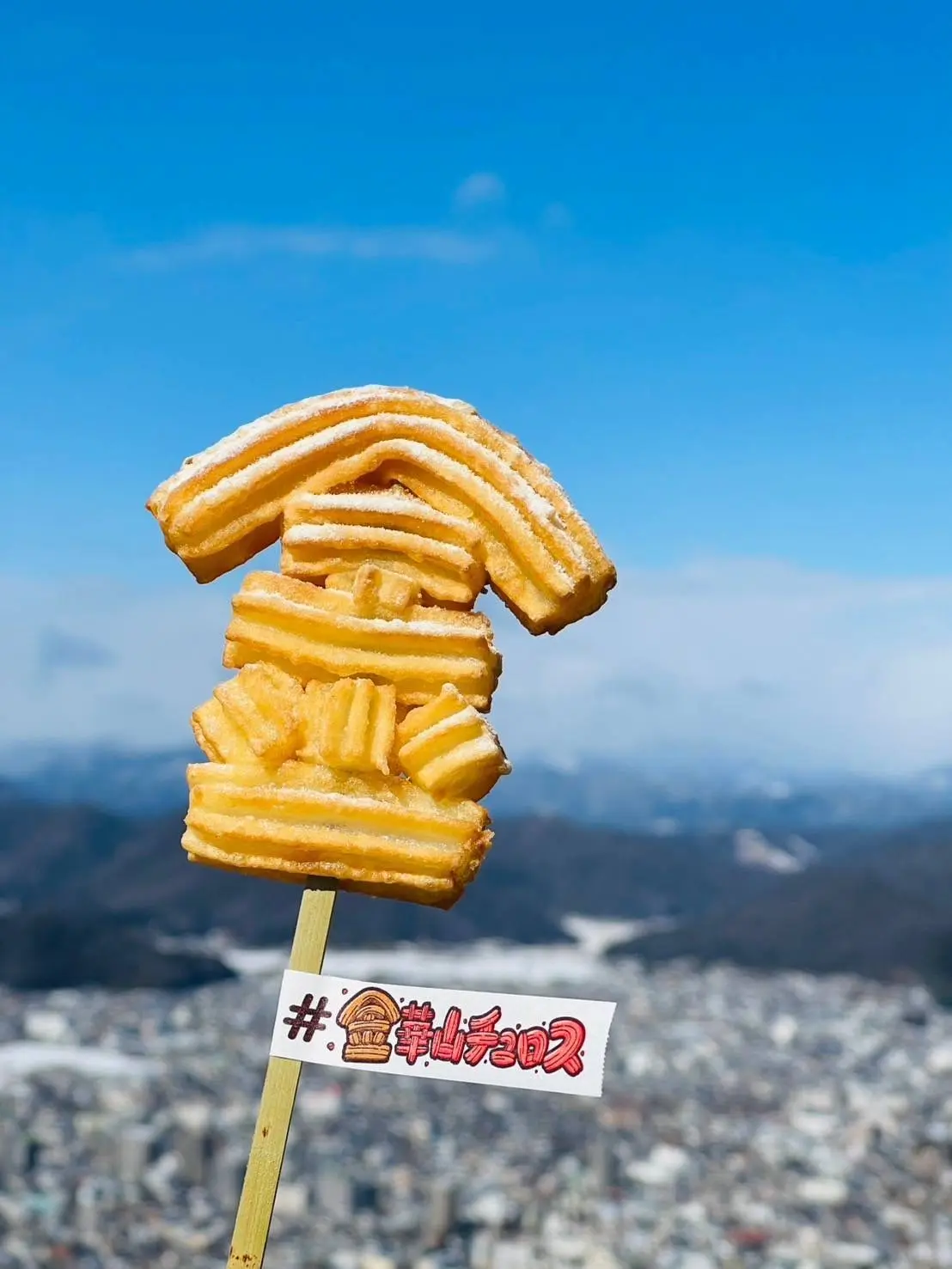
After lunch, try a Mount Kinka Churro from Terrace Court 329. This original churro is shaped like the Japanese character for “kin,” meaning “gold,” from Kinkazan. Photograph it with the scenery from the observatory or summit for a memorable travel snapshot.
1:45 p.m. Visit Gifu Castle, a Formidable Mountain Fortress
Gifu Castle towers about a 10-minute walk from the Mount Kinka Ropeway summit station and restaurant.
Formerly known as Inabayama Castle, it was also the stronghold of Saito Dosan. In 1567, Nobunaga captured the castle and brought the surrounding region under his control. He then renamed the area, previously called Inokuchi, “Gifu.” In other words, it was Nobunaga himself who gave Gifu its name.
As you admire the exterior of the castle keep, reflect on Nobunaga's ambition to unify Japan.
As of July 2026, the castle keep and museum are closed for renovations, which are scheduled to continue through late October 2027.

2:30 p.m. View the Great Buddha of Gifu, One of Japan's Three Great Buddha Statues
After taking the ropeway back down the mountain, visit Shohoji Temple to see the Great Buddha of Gifu, counted among Japan's three great Buddha statues and the country's largest dry-lacquer Buddha. It is about a 5-minute walk from the lower station.
The Great Buddha of Gifu was completed in 1832, 250 years after Nobunaga's death, following 38 years of work. Nobunaga's residence and Gifu Castle's keep had already been lost by this period, and the Great Buddha Hall subsequently constructed here is thought to have been exceptionally tall for its time.


3:15 p.m. Visit Gifu Zenkoji Temple, Once Home to the Zenkoji Nyorai
Next, visit Gifu Zenkoji Temple. From the Gifu Park/Gifu Castle bus stop, take a Gifu Bus bound for JR Gifu for about 3 minutes, get off at Inaba-dori, and walk 5 minutes.
Gifu Zenkoji Temple was established after Nobunaga, having become lord of Gifu Castle, moved the Zenkoji Nyorai Buddha image to Gifu. Takeda Shingen, the commander who ruled Kai in present-day Yamanashi Prefecture, had previously transferred it from Zenkoji Temple in Shinshu, present-day Nagano Prefecture, to Kofu in Yamanashi Prefecture. The story of this sacred image, moved repeatedly yet carefully protected by successive rulers, is particularly intriguing.


4:00 p.m. Pay Your Respects at Sofukuji Temple, Protected by the Oda Family as Their Family Temple
Be sure to visit Sofukuji Temple, which Nobunaga placed under his protection as his family temple when he moved to Gifu in 1567.
From the Inaba-dori bus stop, take the counterclockwise Gifu Bus City Loop for about 10 minutes, get off at Nagaragawa Convention Center North Entrance, and walk approximately 3 minutes.
After Nobunaga and his son Nobutada were killed by Akechi Mitsuhide in the Honnoji Incident, their personal effects were sent to this temple.
The Memorial Tablet Hall and the Tomb of Oda Nobunaga and His Son can be viewed in the garden. Take a quiet moment to pay your respects.


4:30 p.m. Learn About Gifu City's Traditional Culture at the Nagaragawa Ukai Museum
No account of Gifu City is complete without mentioning cormorant fishing on the Nagara River. Passed down for more than 1,300 years, it is one of Japan's representative traditional cultural practices.
Cormorant fishing is a traditional method in which trained cormorants are skillfully guided to catch fish. Visitors can board an excursion boat to observe the fishing. Nobunaga is also said to have entertained envoys from Takeda Shingen, the commander who ruled Kai in present-day Yamanashi Prefecture, with a cormorant fishing performance.

Cormorant fishing on the Nagara River is generally held from May 11 through October 15 each year, but the Nagaragawa Ukai Museum conveys its atmospheric beauty even during the off-season. The Guidance Theater is especially impressive, recreating the world of cormorant fishing with a full-size fishing boat and realistic sound and lighting.

If you visit Gifu City during the cormorant fishing season, consider seeing an actual performance after touring the museum.

Gifu City Itinerary Schedule
- 10:00 a.m. Meet the golden statue of Nobunaga outside JR Gifu Station
- 10:30 a.m. Experience the bustle of a castle town at Gifu Castle Rakuichi
- 10:50 a.m. Stroll through Gifu Park, once home to Nobunaga's residence
- 11:20 a.m. Learn about Nobunaga's Warring States era at the Gifu City Museum of History
- 12:15 p.m. Ride the Gifu Kinkazan Ropeway to the summit
- 12:30 p.m. Have lunch at a restaurant overlooking Gifu City
- 1:45 p.m. Visit Gifu Castle, a formidable mountain fortress
- 2:30 p.m. View the Great Buddha of Gifu, one of Japan's three great Buddha statues
- 3:15 p.m. Visit Gifu Zenkoji Temple, once home to the Zenkoji Nyorai
- 4:00 p.m. Pay your respects at Sofukuji Temple, protected by the Oda family as their family temple
- 4:30 p.m. Learn about Gifu City's traditional culture at the Nagaragawa Ukai Museum
Staying Overnight? Experience Gifu City at Night
Gifu City has plenty to offer after dark, including nightly cormorant fishing performances on the Nagara River during the season, generally May 11 through October 15 except on scheduled rest days. An overnight stay also provides the opportunity to experience the waters of Nagaragawa Onsen.
Experience 1,300 Years of Tradition and Masterful Technique at Nighttime Cormorant Fishing
Cormorant fishing has been practiced on the Nagara River for more than 1,300 years. The fishermen, known as usho, control their cormorants while handling as many as 12 ropes at once. Each night, visitors can watch six masters perform this traditional fishing method. Nobunaga is said to have been the first to present cormorant fishing as a form of entertainment and hospitality.

More Events to Explore: Different Ways to Experience Gifu City at Night
Gifu Light Story
This illumination event features nationally designated traditional crafts, including Gifu Japanese umbrellas and Gifu lanterns.
It is generally held from January through February.

Gifu Night View
For a limited time, the Mount Kinka Observatory opens at night, offering 270-degree views of Gifu City's nighttime skyline.

Use a Discount Ticket to Bar-Hop in Tamamiya Near the Station
Tamamiya is an entertainment district north of JR Gifu Station. More than 400 restaurants and bars line its streets, including establishments serving local Gifu cuisine. Use a Tamamiya Sightseeing Ticket issued by the Gifu Hotel Association Secretariat to experience Japanese izakaya culture affordably and with peace of mind.

Recommended Places to Stay in Gifu City
Gifu City offers many types of accommodations, from traditional inns with access to Nagaragawa Onsen to city hotels.
Juhachiro
Established in 1860, this long-standing traditional inn stands beside the Nagara River. Guests can experience Nagaragawa Onsen's distinctive reddish-brown waters, rich in high-quality iron, radon, and other minerals, in two large communal baths that alternate between men and women.

Comfort Hotel Gifu
Conveniently located about a 2-minute walk from JR Gifu Station, this hotel is also close to the Tamamiya entertainment district. Rates are reasonable, and complimentary breakfast is included. The buffet focuses on Western dishes and also includes items made with local ingredients.

Add Another Day: Stroll Through Kawaramachi, a Japan Heritage Site Shaped by Nobunaga
If you stay overnight in Gifu City, spend your second day strolling through Kawaramachi, where atmospheric traditional Japanese buildings line the streets.
The district originated when Nobunaga designed the castle town as a place to welcome visitors to Gifu. It is now recognized as a Japan Heritage site under the title “Gifu, a Warring States Castle Town Where Lord Nobunaga's Hospitality Lives On.” In recent years, an increasing number of restaurants and shops have opened in renovated historic homes, making the area pleasant to explore on foot.

Begin your walk by renting an antique kimono from ORGAN Kimono inside CASA stella, a cultural tourism center housed in a renovated merchant residence more than 100 years old. Kimono complement Kawaramachi's historic streets, providing plenty of opportunities for photographs.
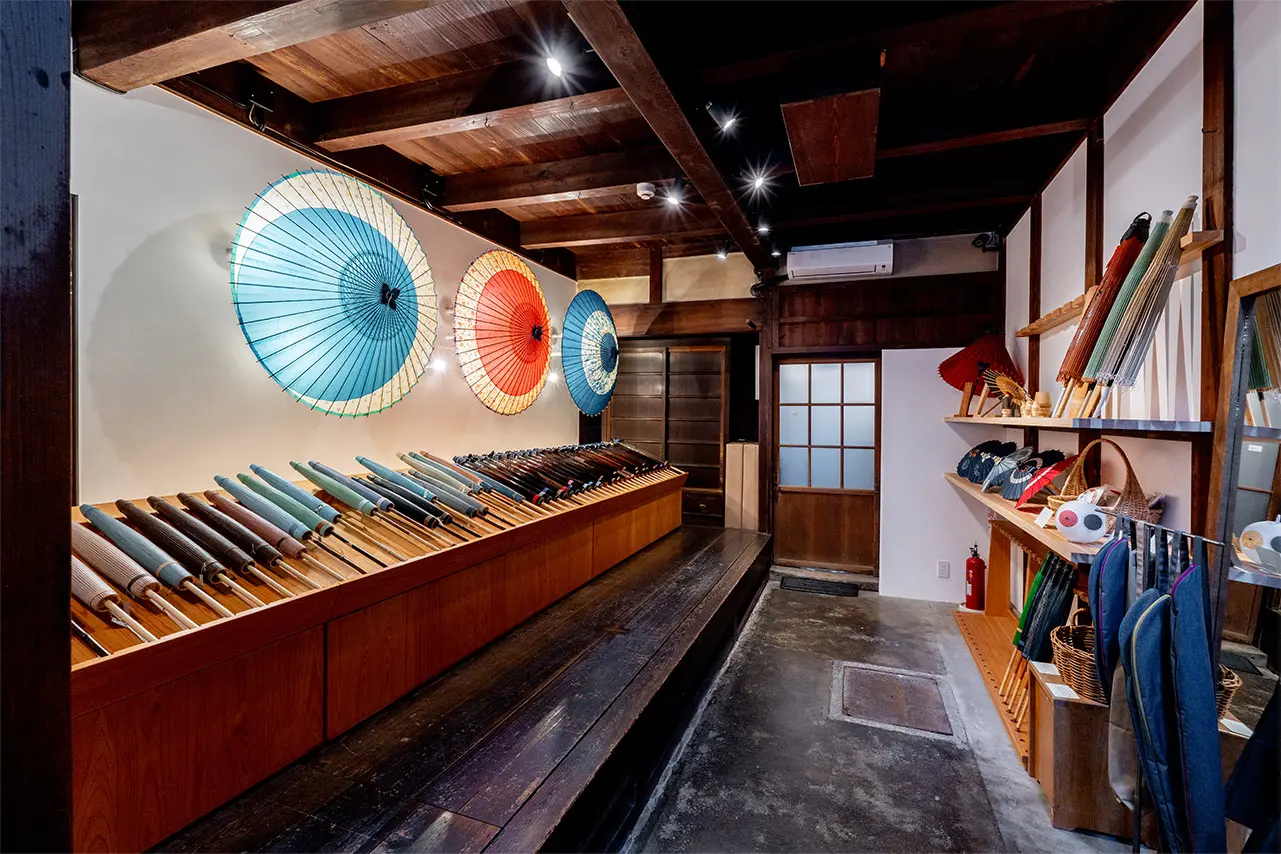
While there, consider renting a Gifu Japanese umbrella as well. The facility includes Japan's only specialty shop dedicated to Gifu Japanese umbrellas and a gallery of Gifu lanterns. Browse for a favorite umbrella or carry a rental as you explore the atmospheric neighborhood.

Another worthwhile stop while exploring Kawaramachi is Nagaragawa Department Store. The shop carries traditional crafts for which Gifu is known, including Mino washi paper, lanterns, and fans, and also offers workshops where visitors can make traditional crafts. One popular activity is painting your own design on a plain lantern carefully handcrafted by a Gifu lantern artisan.

For souvenirs, visit Ryokusuian, a Japanese confectionery shop near the cormorant fishing excursion boat pier.
Its specialty is Tobi Ayu, a signature Gifu confection made with premium dried Dojo Hachiya persimmons once presented to Nobunaga. It makes a good souvenir, while the eat-in area is convenient for a break during your walk.

Venture a Little Farther to Discover Gifu's Fermentation Culture
About a 20-minute walk from the Kawaramachi area is Yamakawa Jozo, a long-established soy sauce brewery founded in 1943.
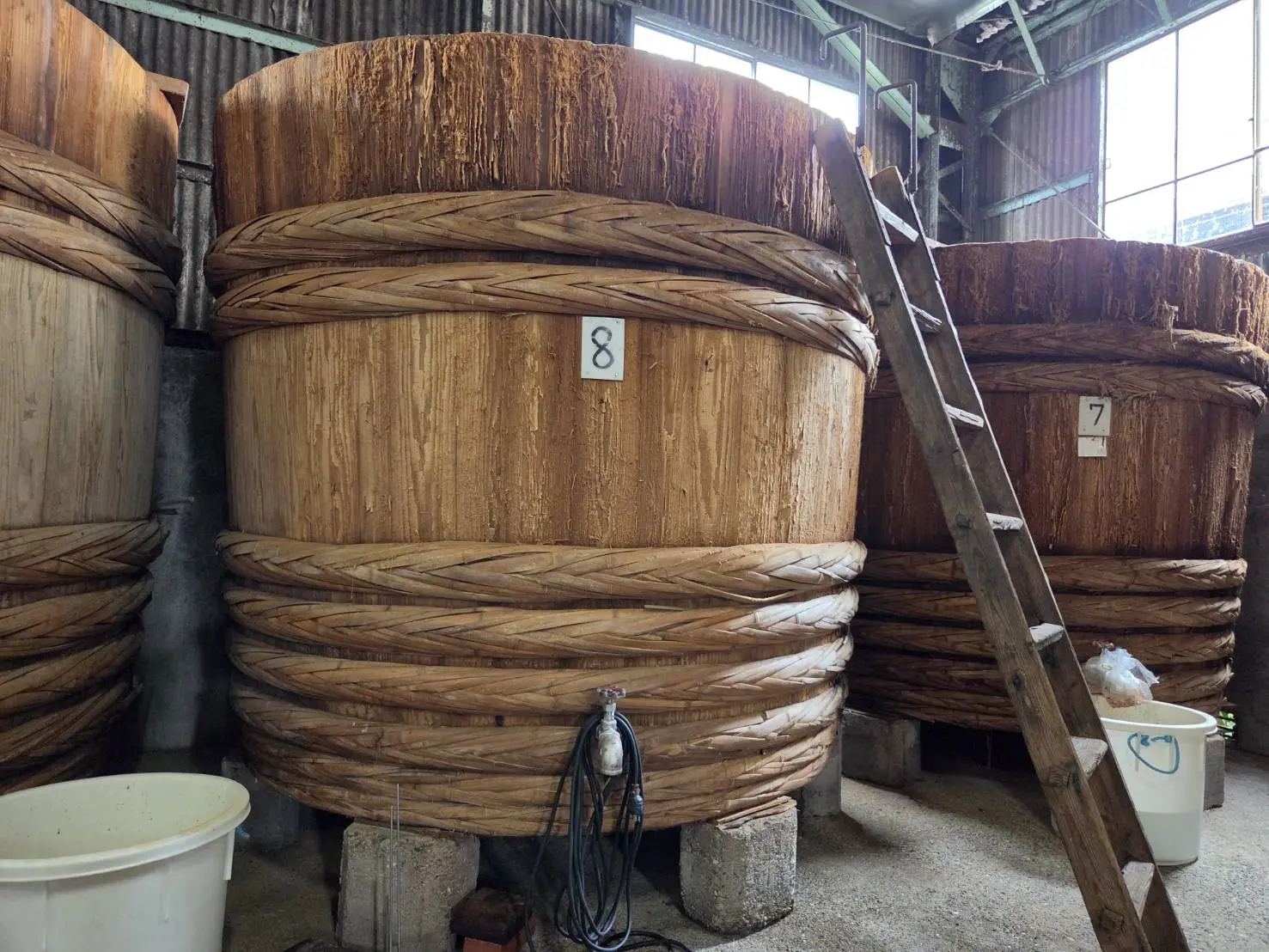
It is a producer of tamari soy sauce brewed in wooden vats, a method now rare in Japan. Popular tours, which require reservations, take visitors through the brewery, where approximately 2-meter-tall wooden vats stand in rows. The adjoining shop sells tamari soy sauce, miso, and other products that make suitable souvenirs.
4 Recommended Foods in Gifu City
Food is one of the pleasures of travel. Here are options ranging from classics such as internationally renowned Hida beef to distinctive local dishes known mainly among Gifu residents.
Hida Beef: Hidagyu Ittouya Bakuroichidai Gifu Kanda
This restaurant serves Tobigyu, exceptionally high-quality Hida beef that exceeds even the usual standards for A5 grade. It is available as yakiniku, shabu-shabu, and other preparations.

Ayu Cuisine: Kawaramachi Izumiya
This restaurant specializes in wild ayu sweetfish cuisine. In addition to full-course meals, you can preorder a boxed meal from the restaurant and savor it aboard a cormorant fishing excursion boat.

Chilled Tanuki Soba: Sarashina
Chilled tanuki soba has remained a staple since the restaurant opened. Tanuki soba generally consists of buckwheat noodles topped with tempura crumbs, but Sarashina's original version also includes seasoned fried tofu.

Koutou Rice: Ajiro-tei
Try the somewhat mysterious Koutou Rice, probably available only at long-established Western-style restaurants in Gifu City. It looks like curry rice topped with a fried egg, but lacks the heat of ordinary curry and has a smooth texture.

Summary
This guide has introduced the many attractions of Gifu City, where the spirit of hospitality left by Nobunaga lives on. Use this itinerary to explore a city rich in history, culture, hot springs, and food.
Gifu City also preserves the natural scenery Nobunaga loved, presenting different landscapes during the cherry blossom and fall foliage seasons.

The Ukai-zakura cherry tree on the Nagara River embankment within the grounds of Gokoku Shrine is a giant Edohigan cherry more than 150 years old. It usually reaches peak bloom from mid- to late March. In fall, the foliage at Dairyuji Temple is well worth seeing. The temple is also known for its Enkianthus perulatus shrubs, with approximately 1,200 planted in the garden and on the hill behind the grounds.
If you visit Gifu City in spring or fall, consider adding these seasonal attractions to the itinerary above.