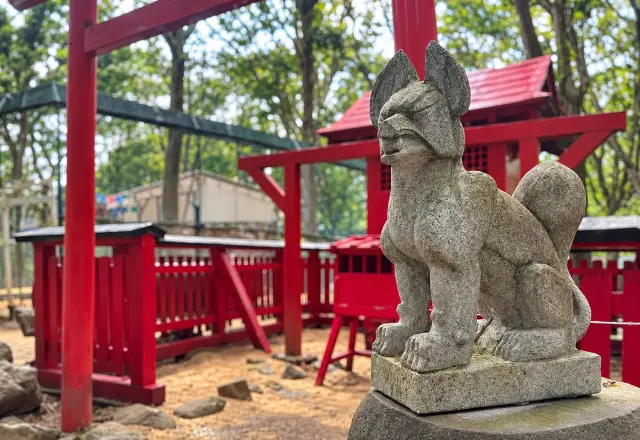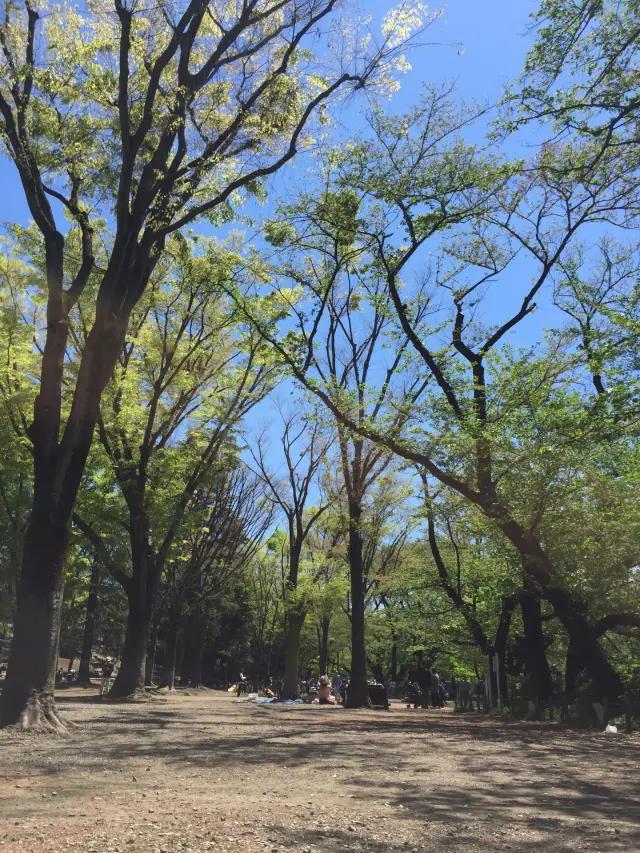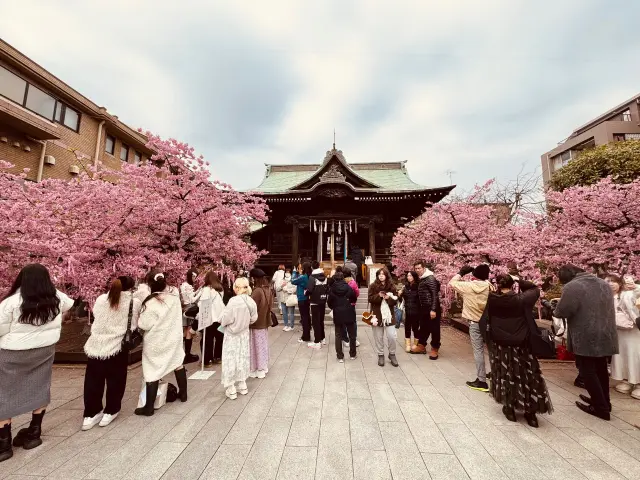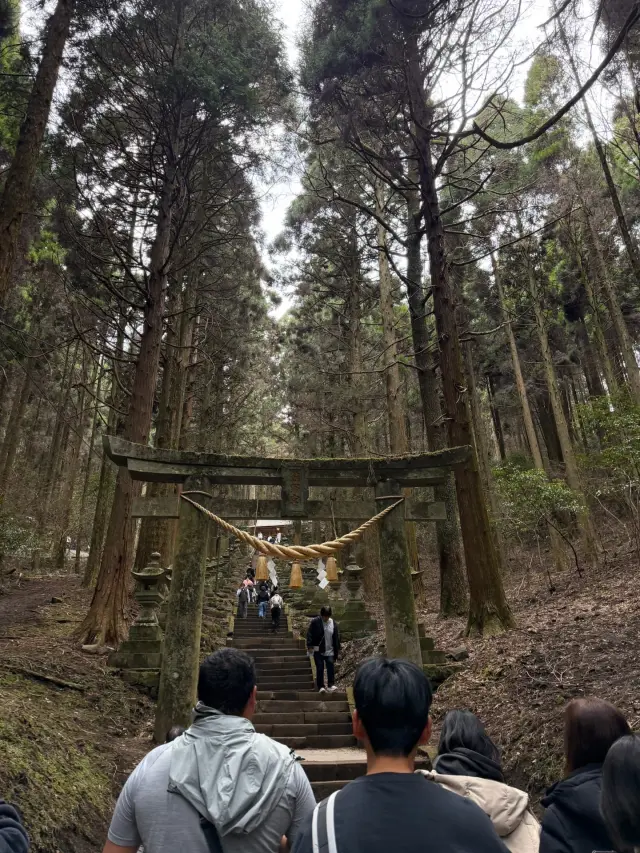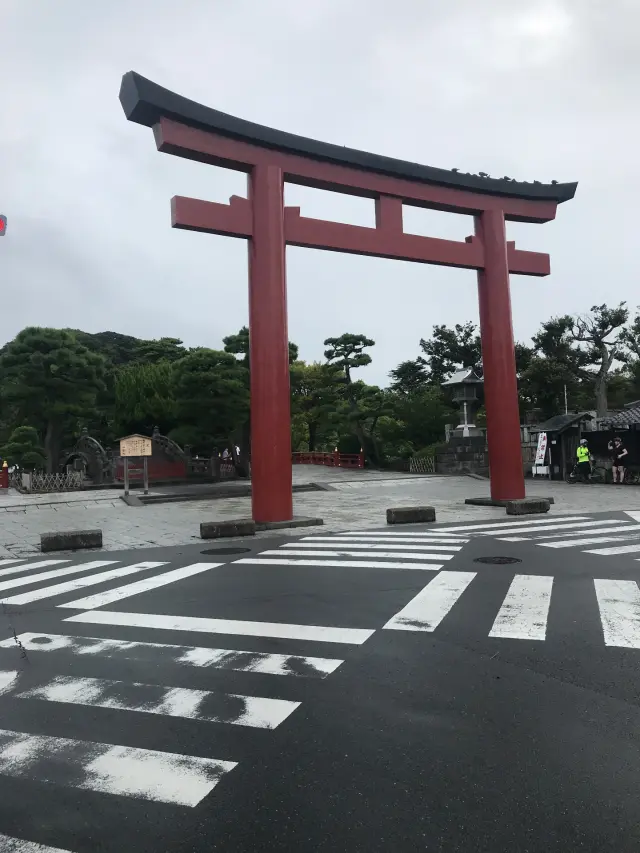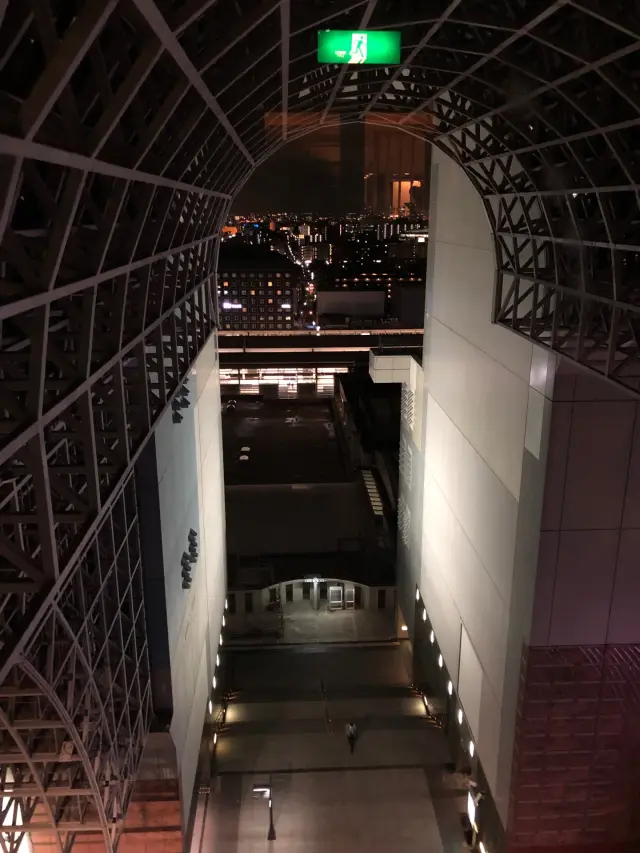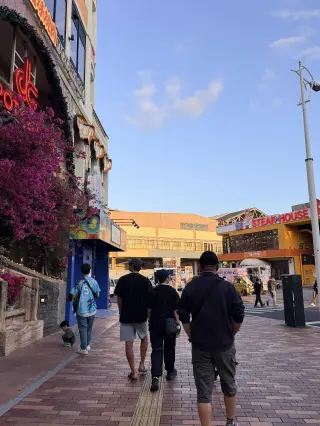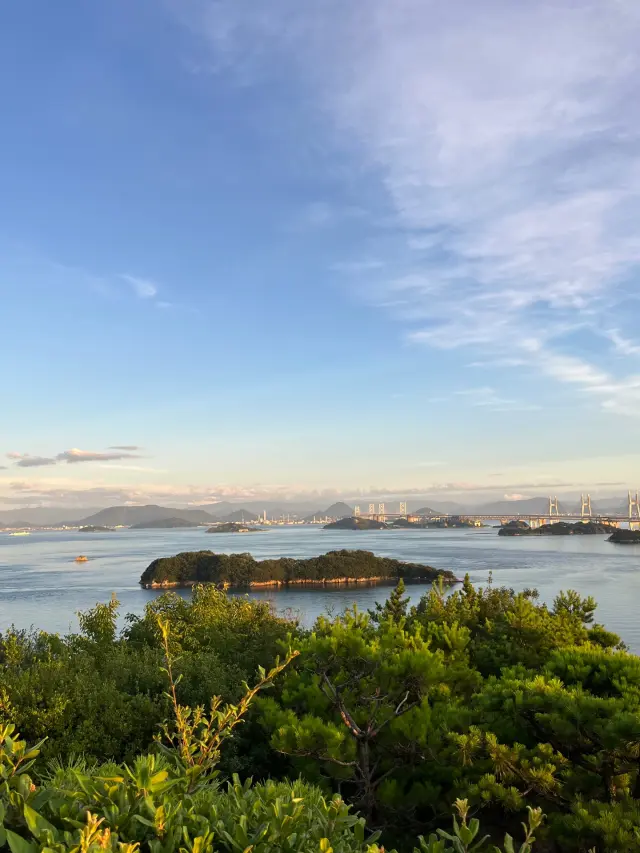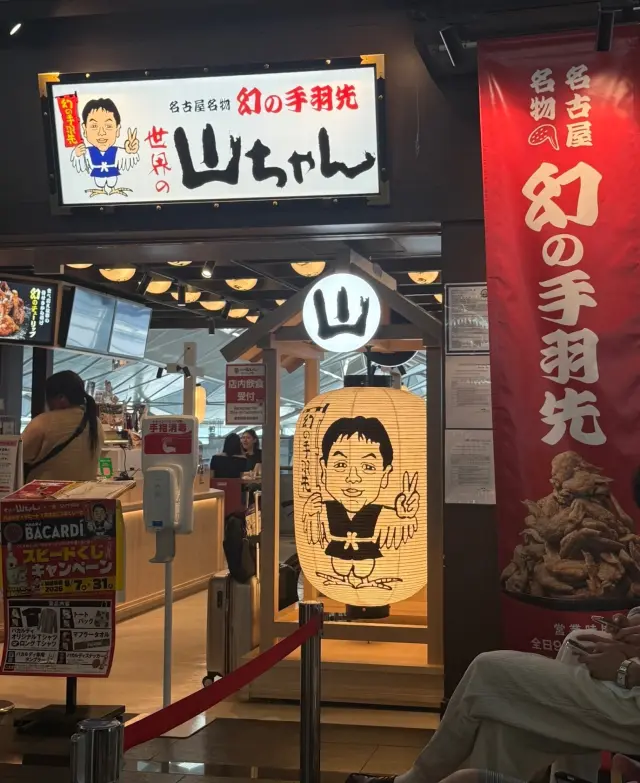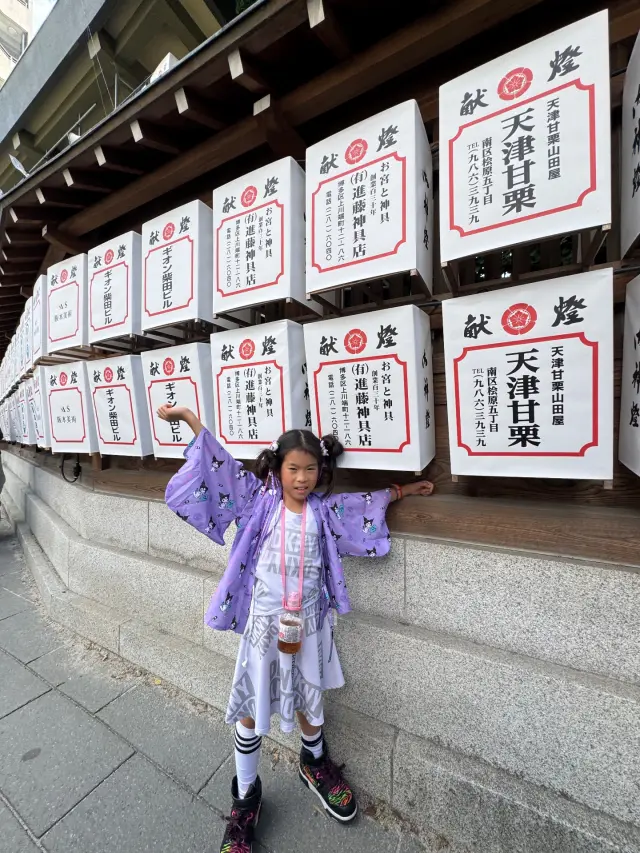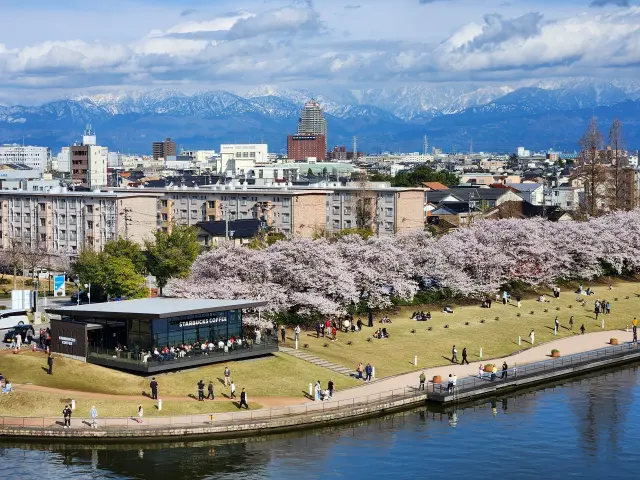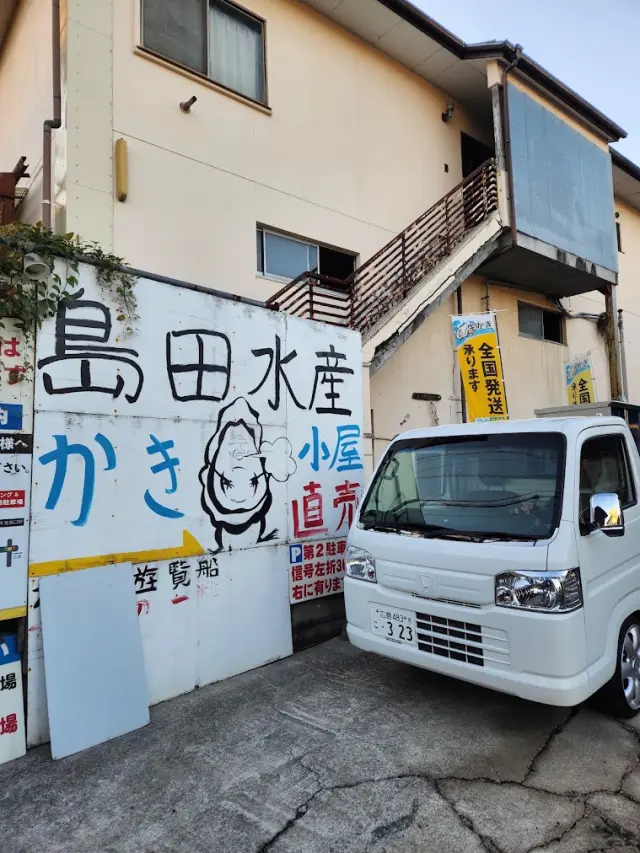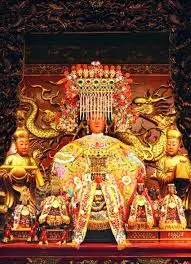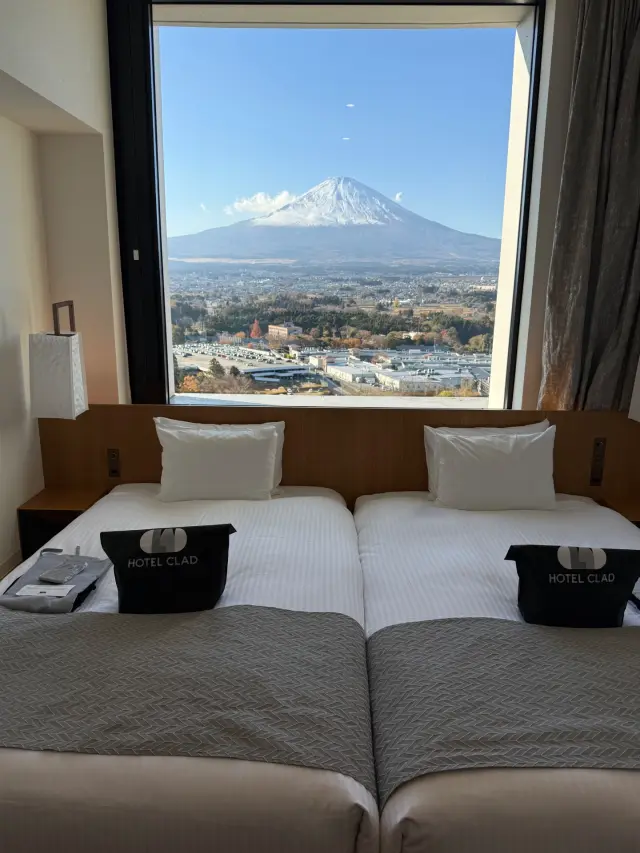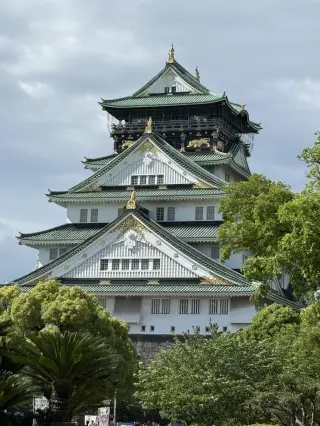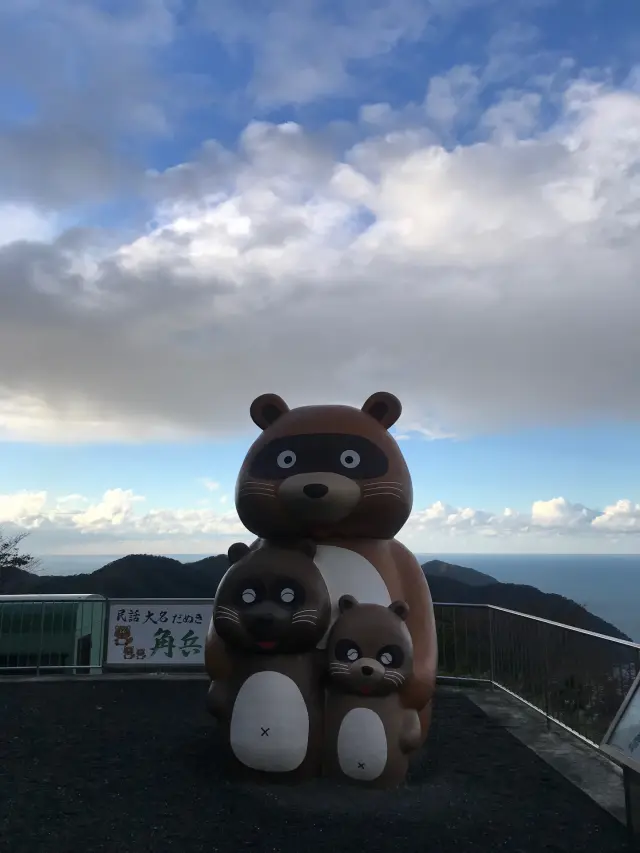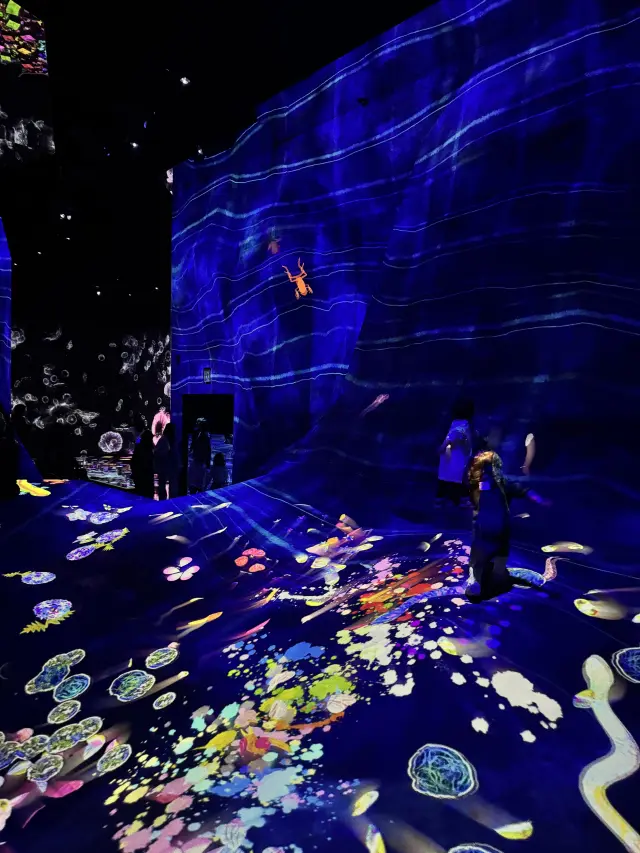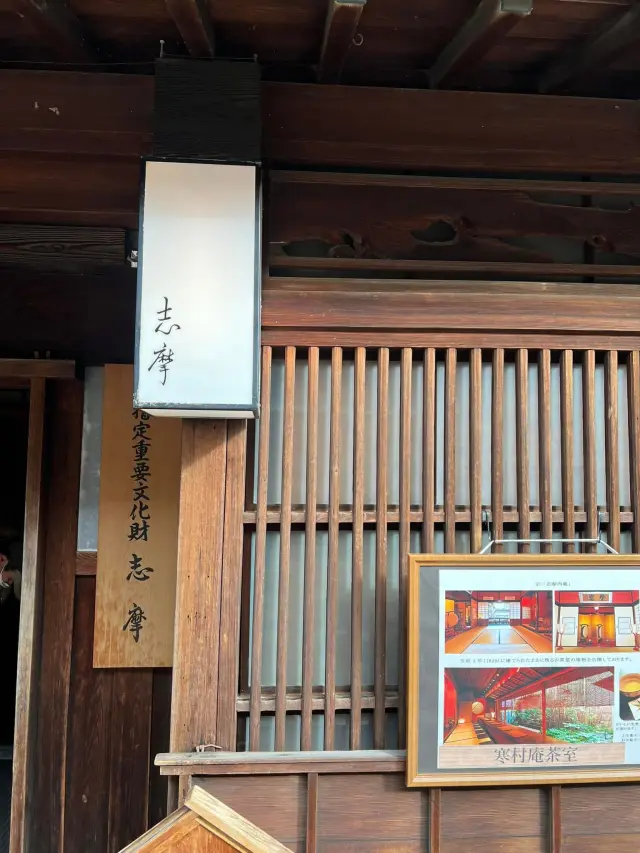
Atsuta Jingu, one of Japan’s three major shrines, enshrines the Kusanagi Sword, one of the three sacred swords. The shrine grounds are spacious and quiet, surrounded by ancient camphor trees. Many people make sure to visit when they come to Nagoya, and it is a place filled with energy. I recommend visiting during the Atsuta Festival, when the shrine suddenly comes alive with food stalls, taiko drumming, sumo and kendo performances, and locals and tourists dressed in yukata. Of course, there are also lantern floats, and at night, dedicated fireworks light up the sky. Come in early June to experience the prelude to summer, as Atsuta Jingu transforms from solemn and quiet into a lively festival feast. It is well worth visiting at this time and is guaranteed to be worth your while, offering a different kind of shrine visit.
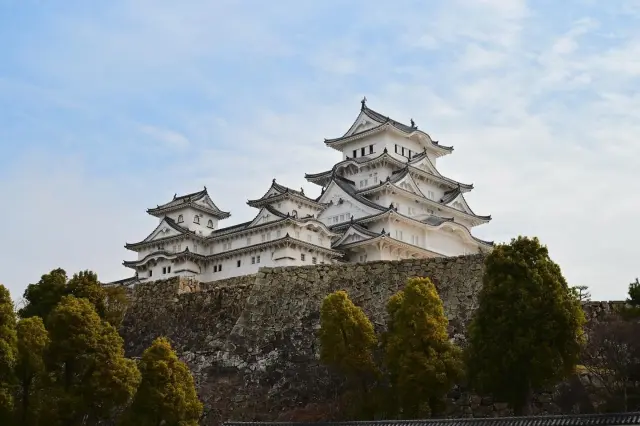
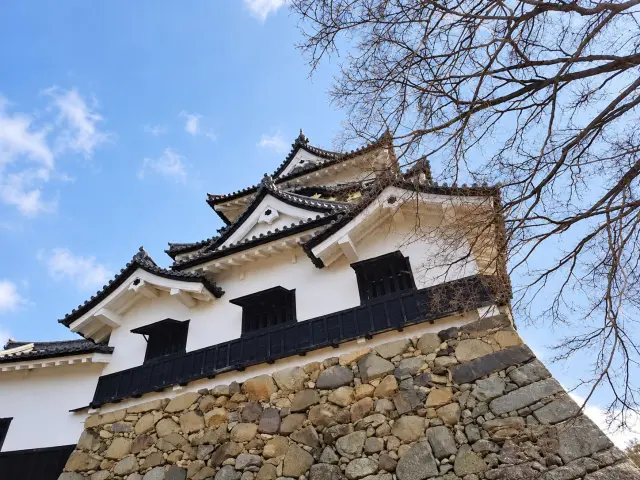
If you're traveling to Nagoya, you definitely shouldn't miss a day trip to Inuyama Castle. Inuyama Castle is the oldest of Japan's 12 surviving original castle keeps. Although it isn't as imposing as Himeji Castle or Matsumoto Castle, looking up at the keep from the foot of the mountain gives you a better sense of its commanding position and how difficult it would have been to conquer, as well as its importance at the time. To visit the keep, you first have to tackle an 85-degree wooden staircase. From the top floor, you can see the Kiso River and enjoy a wide-open view. Of course, the most important thing is to walk all the way around the outside. When you step onto the wooden walkway, you can hear the interlocking wood creak. The railing isn't very high, so it's a little nerve-racking, but you can fully experience the history of this old castle keep, almost as if you've traveled back in time. After your visit, you can also head to Inuyama Castle Town for local food, a kimono experience, and the atmosphere of the old streets. I recommend getting off at Inuyama-Yuen Station and departing from Inuyama Station on the way back. This lets you avoid the crowds and experience a different route.
One of Japan’s famous Three Scenic Views, Amanohashidate is a classic destination not to be missed when exploring “Kyoto by the Sea.”
Besides walking along the natural sandbar lined with pine trees or heading up to Kasamatsu Park for the magnificent “Ascending Dragon” view, the surrounding area also has a wealth of cultural heritage. Chionji Temple, dedicated to Monju, the bodhisattva of wisdom; the highly revered Motoise Kono Shrine; and Nariaiji Temple, with distant views of its five-story pagoda and the blue bay, are all worth taking the time to explore in depth.
The most elegant way to reach this harbor town is to reserve a ride on one of the Kyoto Tango Railway’s distinctive sightseeing trains—the Akamatsu, Kuromatsu, or Aomatsu. Sitting in a wooden train car designed by Eiji Mitooka, enjoying delicate desserts or local cuisine while taking in the scenery through the panoramic windows, is incredibly relaxing.
To end the trip, I recommend stopping by Seafood Kobo, a discreet and extremely inconspicuous hidden little shop next to Amanohashidate Station. Its signature crab rice is covered with sweet, delicate Matsuba crab meat. Every bite is filled with happiness—simple and unpretentious, yet unforgettable. If you get the chance, don’t miss it!
Amanohashidate is one of Japan’s famous Three Scenic Views. If you want to enjoy the beautiful scenery without being packed in with the crowds, consider the Flying Dragon View on the opposite shore at Kasamatsu Park on the north side, which feels more relaxed and open. This is also the birthplace of the famous “Ascending Dragon View.” Stand on the observation deck with your back to the sea and look between your legs, and the entire sandbar suddenly flips into a blue-green dragon soaring through the clear sky. It is a very unique experience.
For the trip up, I recommend taking the smooth enclosed cable car as it slowly climbs the mountain. On the way down, be sure to try the single-seat chairlift with your feet dangling in the air. Looking down over the entire sea and sandbar in the cool breeze, the expansive view is both thrilling and exhilarating. The air is slightly chilly in early spring, and the branches are dotted with the first cherry blossoms, creating scenery as picturesque as a painting.
I recommend setting out early in the morning to avoid the crowds, then having lunch at the scenic restaurant on the second floor. Order a piping-hot bowl of kitsune udon to warm yourself up while enjoying the stunning panoramic view of Amanohashidate outside the window. Afterward, have a rich and creamy Japanese soft-serve ice cream. The ultimate indulgence, absolutely perfect.
When I arrived at Shirakawa-go, I finally got to see the gassho-style houses I had always seen in photos. Once I actually walked into the village, I found it even more beautiful than I had imagined. The thatched-roof houses scattered throughout the valley, together with the surrounding mountain scenery, create a very special feeling as you walk among them.
Before leaving for the trip, I simply thought the houses looked distinctive. But after arriving and reading about the history of Shirakawa-go, I realized that each house exists for a reason. The unique roofs were designed to withstand the heavy winter snow, and in the past, the villagers had to help one another to keep these houses preserved.
As I slowly walked around and looked at these historic houses, I couldn't help imagining how people used to live here. This trip made me realize that the appeal of Shirakawa-go isn't just its beautiful scenery. Once you step inside, you can truly feel its simple, peaceful way of life.
Kiyomizu-dera in the early morning has a charming historic atmosphere. I brought my elders to visit this historic site (I recommend coming early, as it gets more crowded around noon).
Since we were traveling independently, we could wander around at our own pace. From high up at Kiyomizu-dera, we looked down over a sea of greenery and imagined the maple leaves turning red in the fall (I'll definitely visit again if I get the chance).
I bought a commemorative omamori, hoping my family will stay safe and healthy〜❤️
I fell deeply in love with the beauty of Kyoto🥰
Day two of my independent trip to Tokyo—visiting Sunshine Aquarium at Sunshine City in Ikebukuro.
Being able to visit an aquarium inside a shopping complex made me so happy 😃💕. Watching the penguins leisurely soar through the water and seeing all kinds of fish was so cute. It's great for families with children 🥰
The complex has all kinds of food to choose from. This time, we chose a restaurant with an Okinawan atmosphere. The food was delicious, and the older members of the family really liked it too.
After eating, we browsed the mall and spent a leisurely half day there—highly recommended 😘
As soon as you reach the market, the wooden sign and simple entrance give off a strong sense of tradition. Inside, all kinds of seafood stalls, produce shops, and dried-goods stores are neatly lined up on both sides. Unlike typical tourist markets, this place isn't overly commercialized and retains the authentic feel of an Osaka wholesale market. The scents of the sea and fresh produce fill the air, and every stall makes you want to stop and take a closer look.
The market's biggest highlight has to be the chance to choose the freshest seasonal seafood and fruit and enjoy it right there!
The stalls are filled with all kinds of mouthwatering food:
Premium oysters and sea urchin: Large, plump oysters are served fresh with a squeeze of lemon, with a rich, sweet flavor. Plates of golden, generously portioned sea urchin, along with bowls packed with sashimi and scallops, are equally tempting.
Fresh seasonal fruit: The fruit stalls in the market, including well-known produce shops, not only sell beautifully packaged boxes of fruit but also offer freshly cut fruit on the spot. Whether it's sweet, juicy peaches or other seasonal fruits, every bite is pure happiness.
Eat-it-on-the-spot experience: After buying fresh sashimi, sweet shrimp, oysters, and freshly cut fruit, you can find a seat and dig in, enjoying the ultimate freshness of food delivered straight from the source.
I highly recommend setting aside a morning or lunchtime for Osaka Kizu Wholesale Market when visiting Osaka. Not only can you avoid the crowds and browse at a leisurely pace, but you can also enjoy the freshest premium seafood and delicious fruit at very affordable prices. It will definitely leave you with some of the most satisfying culinary memories of your Kansai trip!
Aso Shrine (阿蘓神社, Aso Jinja)
A solemn and majestic shrine. The approach runs sideways through a retro-style shopping street. Passing through the Romon Gate and bowing with your hands together before the worship hall, you can truly experience the resilient and tranquil power of this 2,500-year-old shrine amid today's technology and prosperity.
Strolling along the main approach and visiting with a sense of nostalgia, a goshuin gives worshippers a devout memento while they pray for peace, success, happiness, and good health ^_^
“Take part in a meaningful life and enjoy life”
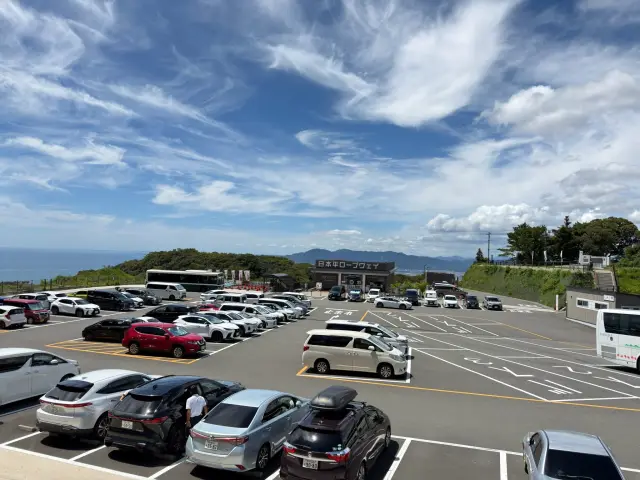
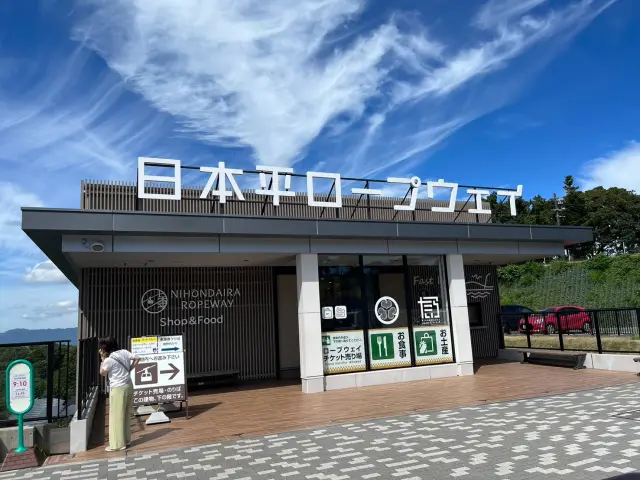
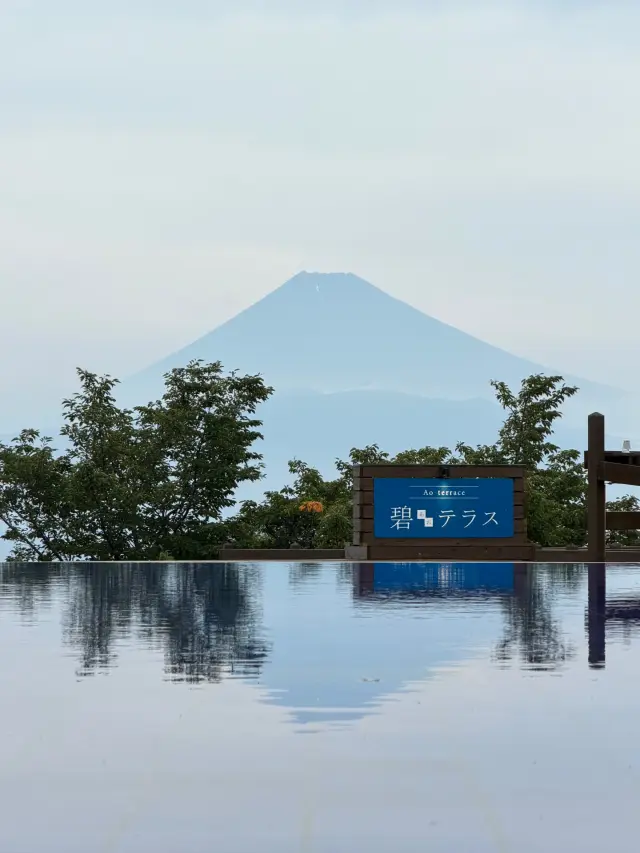
Nihondaira Yume Terrace is located at the summit of Nihondaira, not far from Nihondaira Station on the ropeway to Kunozan Toshogu Shrine, so it's perfect for stopping by after riding the ropeway. The best part is the scenery! When the weather is good, you can see Mt. Fuji, Suruga Bay, and Miho no Matsubara, with a wide-open 360-degree view.
You don't need to plan anything special here. Just feeling the breeze and slowly taking in the mountain and ocean views is very relaxing. I also highly recommend the café inside. Find a seat, have a cup of coffee, and enjoy the scenery—it's truly leisurely.
When visiting Asahikawa, Hokkaido, Asahiyama Zoo is an attraction you shouldn’t miss. Located on the outskirts of Asahikawa, the zoo opened in 1967. It was originally created in response to residents’ hopes for a recreational and educational place where children could connect with nature and learn about life. At the time, there was even debate over funding and whether it needed to be built, but thanks to public support, it was finally completed. Today, it has become one of Hokkaido’s most iconic zoos.
What makes Asahiyama Zoo particularly special is its famous “behavioral exhibits.” Rather than keeping animals in cages for visitors to view, the zoo places greater emphasis on the animals’ natural abilities and habits, designing environments where they can move around, climb, swim, and rest comfortably. Many exhibits deliberately minimize heavy fencing and barriers, allowing visitors to observe the animals’ most natural behavior up close and from unexpected angles.
As you walk around the zoo, you’ll also see many handwritten information boards made by the keepers themselves. They’re lively and full of clever touches, explaining not only the animals’ names but also why they behave the way they do and what interesting habits they have. The zoo also holds daily feeding and educational programs featuring different animals, so you can choose a few that interest you ahead of time. The natural and adorable interactions between the keepers and animals are often even more memorable than simply watching the animals.
The penguins are definitely the most heart-melting part! The low fences provide an almost completely unobstructed view, so you can watch them swim and walk up close. It feels like stepping right into their world. After snow falls in winter, there’s also the hugely popular “Penguin Walk.” This activity was originally created to help the penguins get more exercise during winter, but it unexpectedly became Asahiyama Zoo’s most iconic winter attraction. Watching a group of penguins waddle right past you is so cute that you just can’t stop taking pictures!
While traveling in Sakaiminato, Tottori, I made a special pilgrimage to Mizuki Shigeru Road, an absolute must for manga fans! The moment I stepped onto this fantastical street, I felt like I had fallen straight into the yokai world created by Shigeru Mizuki. The many bronze yokai statues lining both sides of the street are incredible. From Kitaro and Medama-Oyaji to Nezumi-Otoko, every character is so vivid and detailed that I couldn't stop taking pictures along the way.
Besides searching for all the hidden yokai sculptures, the souvenir shops lining the street are also a lot of fun to browse. They're packed with all kinds of exclusive Kitaro merchandise and character-shaped treats, all so cute that you'll want to take one of everything home. The street has a very relaxed, laid-back atmosphere, and even the creatively designed streetlights and mailboxes are full of surprises. I highly recommend adding Mizuki Shigeru Road to your itinerary when visiting the San'in region. Both adults and kids can have a great time here!
Our one-day Mt. Fuji tour brought us to Owakudani in Hakone.
We took the ropeway to Owakudani, and as it climbed, lush greenery came into view. Unfortunately, it started drizzling, so after getting off, we could only walk around in the rain. The air was filled with the smell of sulfur, and we briefly enjoyed the natural geothermal scenery.
Next, we went to the shop to buy the famous black eggs. They say eating one adds 7 years to your life😱, so of course we had to eat more🤣
The souvenir shops were fun to browse and shop at, with lots of regional limited-edition items. I went overboard again😅
teamLab Borderless: MORI Building DIGITAL ART MUSEUM
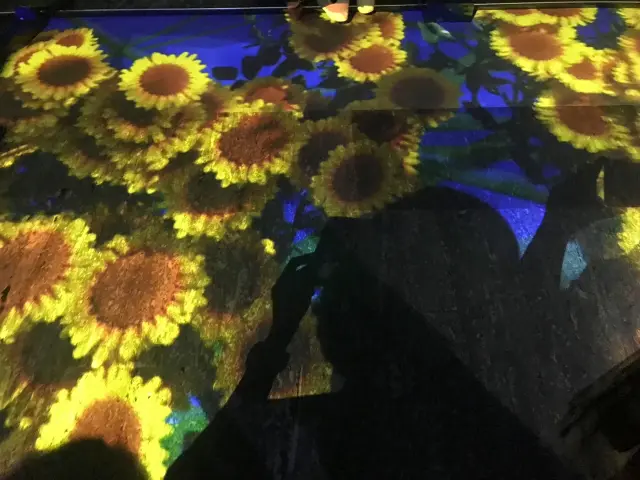
teamLab Borderless: MORI Building DIGITAL ART MUSEUM at Azabudai Hills takes immersive light and visual art to the extreme! The museum completely breaks down the boundaries of space and maps, with light and imagery flowing and soaring across the walls and beneath your feet, making you feel as though you've stepped into a fantasy world. In addition to the classic giant waterfall of light and the flowers, birds, and animals moving through the darkness, the interactive area where you can draw sea creatures and project them onto the wall to swim freely is especially playful and full of surprises.
I especially recommend visiting EN TEA HOUSE! When a bowl of tea or ice cream is brought to the table, brilliant flowers slowly bloom inside it under the lights, extending the immersive experience to both sight and taste. Whether you're there to take photos or experience this stunning visual feast firsthand, it's definitely one of the most dreamlike highlights of any Tokyo itinerary!
Visiting Tokyo Tower at night has a charm all its own! Besides going up to the 150-meter-high observation deck to enjoy the dazzling night view and indoor light projection show, the biggest surprise was happening upon a limited-time collaboration between the anime Girls Band Cry and Tokyo Tower. Life-size character standees of Rupa and Nina Iseri were on display, attracting tons of fans to take photos.
Looking up from beneath the tower at its steel framework bathed in golden and warm orange lights was visually stunning. You could also get a commemorative Tokyo Tower badge and take souvenir photos. It's well worth visiting whether you're making an anime pilgrimage or simply enjoying the night view. I recommend coming at night—not only can you avoid the daytime crowds, but you can also experience romantic and varied nighttime-only activities!
The moment I arrived at the Nakadake Crater of Mt. Aso, the only word to describe it was “spectacular.” The sight before me was completely different from an ordinary tourist attraction. Nakadake is still an active volcano, and standing in front of the crater, I could feel the power contained within nature, which also added a sense of tension to the trip.
Even before reaching the crater, I could already smell the strong sulfur odor. Along the mountain road, there were many emergency shelters built in case of an eruption. I couldn't help imagining that if the volcanic activity suddenly intensified, these shelters would be an important line of defense for protecting visitors. Along with the magnificent volcanic scenery, the journey also inspired a greater sense of awe toward nature.
After reaching the crater and looking down from above, I could see white smoke continuously rising from it, like a huge living creature breathing. Occasionally, there was also a gurgling sound, as if a huge pot of scorching mud were boiling beneath the volcano. It was both interesting and astonishing.
Because Mt. Aso is still volcanically active, professionals closely monitor it every day. If the weather is poor or volcanic activity becomes more frequent, access may be restricted or even prohibited. The winds at the summit are also quite strong, and breathing in the sulfur odor for too long isn't advisable, so after taking photos and briefly experiencing the awe of the place, we hurried away.
Mt. Aso is definitely worth experiencing in person. However, due to a helicopter crash this year, the relevant areas are currently still closed. I hope they can reopen once the volcanic activity and safety conditions have stabilized.
The “Vintage House” inside Huis Ten Bosch is just too cute! The storefront has a nostalgic, international feel, especially the row of tropical floral patterns on the balcony. Just looking at it put me in a great mood.
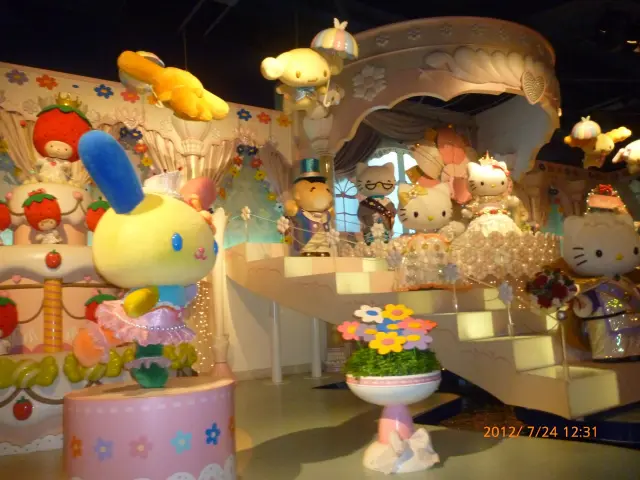
Stepping inside was even more delightful—it’s practically paradise for Hello Kitty fans. Look at this Kitty in a little black dress, pearl necklace, and Audrey Hepburn-style bow. She has such an elegant vintage look and is incredibly detailed.
The wall covered with Kitty charms is also impressive. There are so many different designs that it’s almost overwhelming, and I wanted to take every one of them home. Being able to visit such a special Kitty-themed store in such a beautiful park made me so happy!
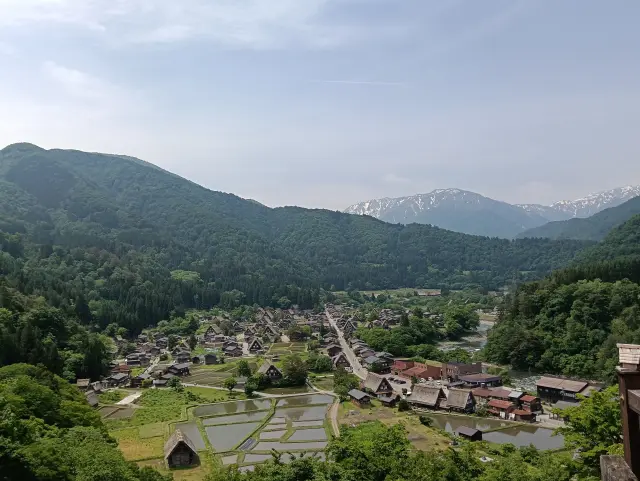
The gassho-zukuri village of Shirakawa-go feels like stepping into a small village from a fairy tale. Traditional thatched-roof houses are neatly scattered throughout the valley, creating a strong sense of rural Japan. Seeing the entire village from a distance with the surrounding mountains was truly beautiful.
This time, I walked through Shirakawa-go and slowly strolled along the village paths. I was able to admire the historic gassho-zukuri buildings up close and experience the area's relaxed way of life. I kept stopping to take photos along the way because every angle had its own charm, making it hard to leave.
What I loved most about this trip was the peace and simplicity of Shirakawa-go, which is completely different from the bustle of Tokyo and Osaka.
Dolphin Watching Reservation Center (Amakusa City, Kumamoto)
Amakusa Dolphin Center (天草イルカセンター)
Under a blue sky and over a clear blue sea, we set sail with a mix of excitement and nervousness, riding the wind and waves in search of adorable dolphins swimming freely.
Full of anticipation, we eagerly looked around. Before long, enthusiastic cheers rang out—pods of dolphins had already appeared before our eyes! Their streamlined bodies surfaced, revealing lively, graceful dorsal fins amid splashing water.
The healthy marine environment and thriving ecosystem have created this breathtaking scenery, allowing wild dolphins to live freely here. This dolphin-watching trip in Amakusa not only let us enjoy the beauty of nature but also left us with countless surprises and deeply moving moments. It was undoubtedly one of the most treasured pages of our trip to Amakusa!
〜“Join Meisheng, Enjoy Life”〜
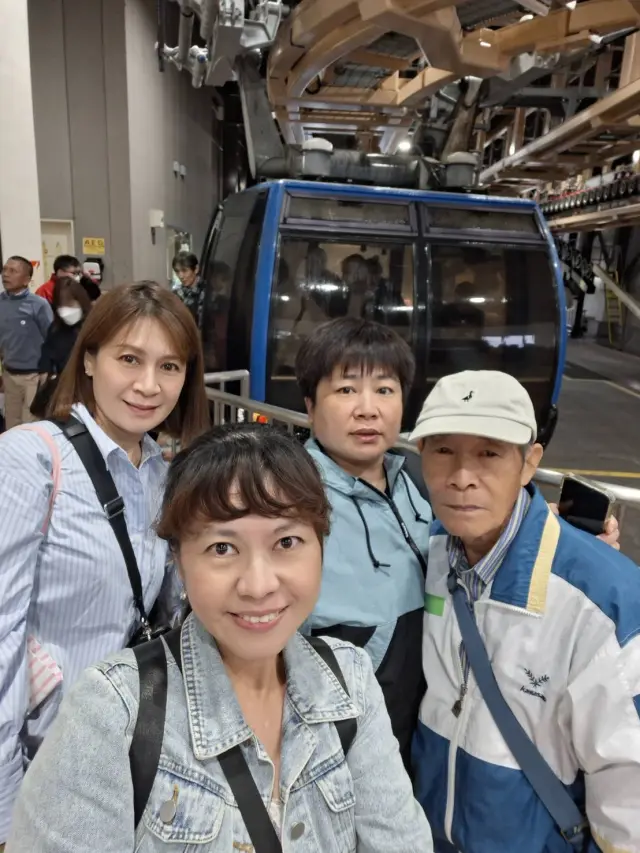
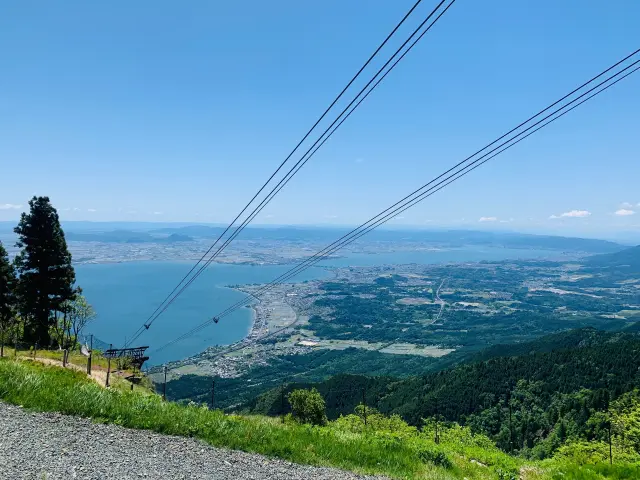
To get to Kunozan Toshogu Shrine, you first take the cable car, with beautiful views of the forest and Suruga Bay along the way. After arriving, you climb the stone steps, surrounded by lush green trees. Walking up the steps feels like traveling through time.
The shrine buildings themselves are also very ornate, with vermilion structures and intricate carvings. The details are really worth taking your time to appreciate.
Looking out over Suruga Bay from the mountain, the ocean view combined with the ancient shrine creates a very special atmosphere〜
The whole trip is a little tiring, but the scenery and atmosphere along the way make it well worth it!
As soon as you step into the world of Chibi Maruko-chan, it really feels like you're going back to your childhood.
The familiar Maruko, her classmates, and all kinds of classic scenes are brought to life in 3D. As you walk around taking pictures, you can't help looking for the characters you know.
You may also get a chance to interact and take pictures with “Maruko herself”!
There are 2 appearances on weekdays and 3 on holidays. If the timing works out, I highly recommend adding it to your plans. Seeing Maruko appear in person is really cute!
Chibi Maruko-chan Land is also inside S-PULSE DREAM PLAZA, so after visiting, you can grab a meal, browse the shops, and do some shopping, making it very convenient to plan your day.
LEGOLAND Japan, located in Nagoya, is a theme park full of childlike fun and creativity. Huge LEGO models can be seen throughout the park. They're colorful and cute, and as soon as you enter, you can't help but want to take pictures.
During this visit, I tried various fun rides and saw many models built with LEGO bricks, each one extremely detailed. The attractions are great for families, but adults can also rediscover the joy of playing with LEGO as children. The whole trip was filled with laughter.
What I liked most was that there were surprises everywhere, with different LEGO creations to discover wherever I went. This visit wasn't just about going on rides—it felt more like stepping into a giant LEGO world, where I could forget my worries for a while and come away with very happy memories.
Tokyo Disneyland was a place I had been looking forward to visiting for a long time. The moment I entered the park and saw the familiar castle and all the Disney elements, it really felt like stepping into a fairy-tale world. Every corner of the park is great for photos, and the rides, exciting shows, and interactions with favorite characters kept the entire day full of surprises. Although I was a little tired after walking all day, seeing the magical castle and the beautiful nighttime scenery made it all worthwhile. After experiencing it in person, it felt like more than just having fun—it was a day of rediscovering my inner child and left me with very happy and unforgettable travel memories.
The Art Aquarium Museum GINZA is somewhere I'd wanted to visit for a long time. When I actually walked in, my first impression was that it was very lavish, with a touch of the splendor and allure of an oiran procession. The lighting, music, tanks, and decorations all blend together, but what I think was done especially well is that the lighting doesn't overshadow the goldfish themselves. Instead, it acts like stage lighting for them, ensuring that the goldfish remain the true stars of the exhibition.
I especially liked the area where you can view the goldfish from above. Goldfish originated in China, and when they were first kept in containers such as bowls and jars, they were generally viewed from above. This top-viewing style later spread to Japan and also influenced the appreciation of goldfish in terms of their back patterns, body shapes, and the way their tail fins spread out. Today, we're mostly used to viewing fish from the side through glass, so in everyday life there are very few opportunities to appreciate them from this traditional perspective. Being able to experience this ancient way of appreciating the beauty of goldfish here felt quite special.
Another area uses a large number of Japanese lanterns to create the atmosphere, and at first glance it reminded me of the densely arranged lanterns at Kasuga Taisha Shrine in Nara. The other areas make extensive use of light and shadow, reflections on the water, flowers, and traditional Japanese elements to create different moods. Some of the decorations clearly use artificial flowers, but with the lighting and colors of the water, they don't look cheap. Instead, they give the whole space a feeling somewhere between a stage and a dream.
They also offer different seasonal themes, with the flowers, lighting, and some of the exhibits changing accordingly. As a result, the scenery may look completely different depending on when you visit. This time, I happened to catch the end of the winter exhibition. I'm really looking forward to summer, since summer is the season for goldfish, and I hope I'll have a chance to come back and see it.
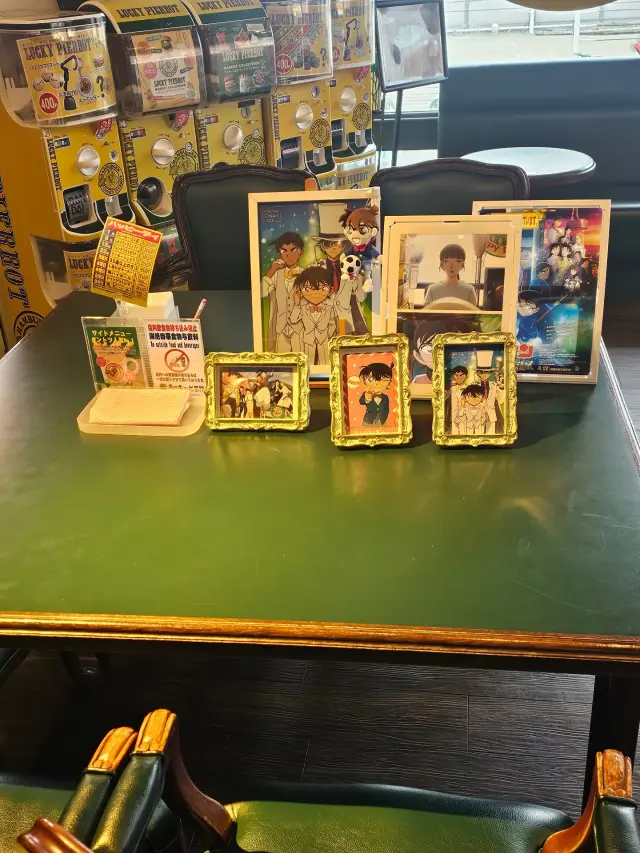
This is another location I came to specifically to visit a spot featured in Detective Conan: The Million-dollar Pentagram. The interior looks exactly like the scene in the movie, which is genuinely moving for Conan fans.
This time, I again ordered the restaurant's signature Chinese Chicken Burger. Maybe it was because I hadn't eaten all day, but this one somehow tasted especially good. (Additional note: The Chinese Chicken Burger is the restaurant's best-selling item. It has crispy fried chicken with a distinctive sauce. Some people describe it as sweet-and-sour, but I personally think it tastes better than regular sweet-and-sour sauce.) The balance of sweet and tangy flavors in the sauce is especially good, and the portion is just right. Even though I don't usually like sweet-and-sour sauce, I really like the flavor of this burger.
Also, this location is larger than the other one. In addition to burgers, it sells merchandise, so you can browse around after eating.
The restaurant's official slogan is "函館に恋して 海がよんでいる," which roughly means "Fall in love with Hakodate, captivated by the sea." Enjoying the romantic atmosphere while eating a burger and looking out at the ocean view in Hakodate—if you're planning to visit the Kanemori Red Brick Warehouse, I'd recommend this location over the other one.
Sandanbeki is the oldest scenic attraction in Nanki-Shirahama. Legend has it that during the reign of Emperor Kanmu, Sandanbeki Cave served as a refuge for local fishermen hiding from pirates while at sea. By the Heian period, it had become an important base for the Kumano Navy. Today, it is one of Shirahama's most iconic historic attractions.
Sandanbeki in Shirahama, Wakayama Prefecture, is part of Yoshino-Kumano National Park. It is a famous Shirahama attraction and is also designated a sacred place for lovers. Sandanbeki Cave lies 36 meters underground. After taking the elevator down, the cave adventure begins, with many spectacular natural wonders to see. From the observation deck inside, you can see Juzo-iwa Rock, an unusual formation that appeared after a typhoon. In the cave, you can experience up close the powerful sight of waves crashing against the rock walls and surging inside. The huge waves are truly imposing, and both the sound and sight are striking. One unusual feature is that the purification basin uses hot spring water. Card-shaped ema plaques can be used to pray for health, wealth, academic success, love, and traffic safety. Some areas recreate Kumano Navy guard huts, old passageways, and other scenes. Being there feels like falling through a time tunnel and returning to the historic setting of the Genpei War.
This attraction, where history and nature come together, is worth including in a trip to Nanki. Being inside the cave feels completely different from seeing it in photos. You have to be there to experience its impact. I recommend arriving around high tide, when the crashing waves are at their most dramatic!
The moment I stepped into Tokyo Disneyland, I instantly turned back into a carefree child! From the dreamy Cinderella Castle to the balloons floating everywhere, the air was filled with the happy, buttery aroma of Mickey waffles, making me want to dance along with the music!
The “Beauty and the Beast” ride we frantically tried to get into was truly stunning! When the huge ballroom lit up and the teacups spun gracefully to the classic melody, the scene of Belle and the Beast dancing together brought tears to my eyes. It was like stepping right into an animated storybook.
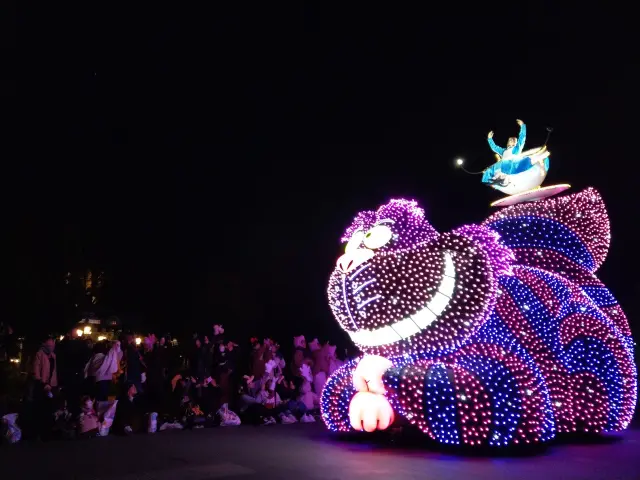
The nighttime parade was definitely the perfect grand finale! Colorful floats rolled by amid twinkling lights, and when Mickey waved enthusiastically from his float, everyone screamed and cheered. This trip was filled with magic—definitely a place worth visiting again and again to recharge!
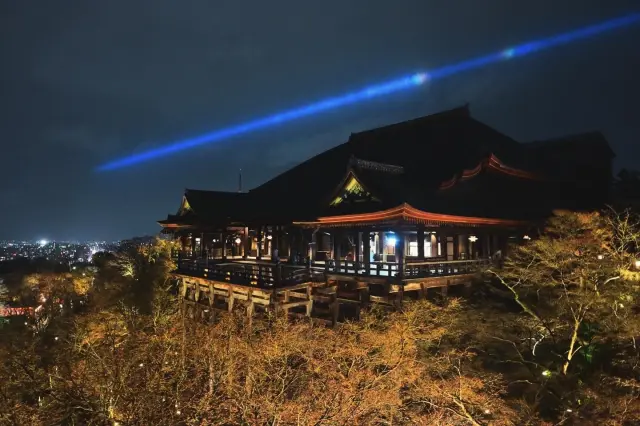
Upon entering Kiyomizu-dera Temple, what moved me most was the Kiyomizu Stage, which is suspended above the ground using mortise-and-tenon joinery without a single nail. Looking out from the edge of the wooden platform, I saw lush green mountains interwoven with the ancient cityscape of Kyoto. I could deeply feel both the solid weight of the historic architecture and the boundless wisdom of traditional craftsmanship.
Following the mountain path at a leisurely pace, I arrived at the famous Otowa Waterfall, where three streams of spring water slowly flow down from the cliff, representing health, academic success, and good relationships. Scooping up the spring water with a long-handled ladle, every sip carried a prayer and hope for the future. Amid the clear sound of the flowing spring, my whole spirit seemed to be cleansed and returned to tranquility and peace.
This visit was not only a visual tour of historic landmarks, but also a deeply calming journey for the soul.
What I looked forward to most when visiting Geibikei Gorge in Iwate Prefecture was riding a traditional boat and experiencing the magnificent scenery of this natural gorge firsthand. The small boat slowly traveled along the stream, with towering rock walls rising on both sides. Shaped over many years by wind, rain, and flowing water, the rocks have taken on all kinds of unusual forms. As the boatman skillfully worked the oar, everything around us felt especially peaceful, with only the murmur of the water and the sound of the oar cutting through the surface.
Along the way, the boatman introduced the scenery and legends of the area, adding some fun to the otherwise tranquil valley. As the boat went deeper into the gorge, looking up at the towering cliffs on both sides made me feel the grandeur of nature and how small I was. Especially on a clear day, sunlight fills the valley, and the greenery and rock walls reflected on the water are so beautiful that it's hard to look away.
The Geibikei Gorge boat ride wasn't rushed, giving me a chance to truly slow down and quietly enjoy the scenery. Though it was only a short trip, it left me with very vivid travel memories and showed me the unique charm of Tohoku's natural landscapes.
When visiting Fukuoka, Dazaifu Tenmangu Shrine is a stop you shouldn't miss. It enshrines Sugawara Michizane, the “god of learning, culture, and the arts,” and is an important sacred site of Tenmangu worship in Japan, attracting large numbers of visitors each year.
Walking along the approach, you'll find one souvenir, dessert, and snack shop after another. Even before entering the shrine, the lively street scene draws you in, with tradition and modernity naturally coexisting here.
The first thing you'll encounter is the iconic sacred ox statue. There's always a long line at the one near the entrance, as legend says rubbing the ox's head brings wisdom. Look closely and you'll see that its head and horns have been polished to a shine by countless hands—apparently, plenty of people want to become smarter.
Further ahead are Shinji Pond and the arched bridges. The three vermilion bridges symbolize the past, present, and future, and crossing them also represents gradually approaching the sacred presence of the deity.
The “Flying Plum Tree” to the right of the main sanctuary is also not to be missed. Legend says that when Sugawara Michizane left Kyoto, the plum tree, longing for its master, flew to Dazaifu overnight, giving rise to the legend of the “Flying Plum Tree.” Renovations to the main sanctuary are now in their final stages. During the work, a temporary hall designed by architect Sou Fujimoto has served as the place of worship, creating an interesting scene where a traditional shrine and modern architecture come together.
After paying your respects, don't forget the amulets and goshuin shrine seal. Academic success amulets are the most popular, but there are also amulets for health and longevity, traffic safety, finding love, and more.
Once you leave the shrine, the food tour is just beginning. Dazaifu's specialty, umegae mochi, is best eaten hot. Despite the word “ume,” or plum, in its name, it doesn't actually contain any plum. It's made with a glutinous rice cake exterior wrapped around sweet red bean paste and stamped with a plum blossom pattern. The outside is slightly crisp, while the filling is warm and sweet. Eating it as you walk is the most authentic Dazaifu experience.
When your feet get tired, you can also take a break at the Starbucks designed by Kengo Kuma. The traditional wooden lattice structure extends from the entrance into the store, with interlocking wood creating a distinctive, warm space.
A visit to Dazaifu Tenmangu Shrine connects sights and food all along the way, from the sacred ox, arched bridges, and Flying Plum Tree to amulets, umegae mochi, and Starbucks. It may seem like a sightseeing stroll, but every spot holds a story about Sugawara Michizane. Perhaps that's what makes Dazaifu a place people want to visit again and again.
This is one of the places I recommend visiting at least once in your lifetime!
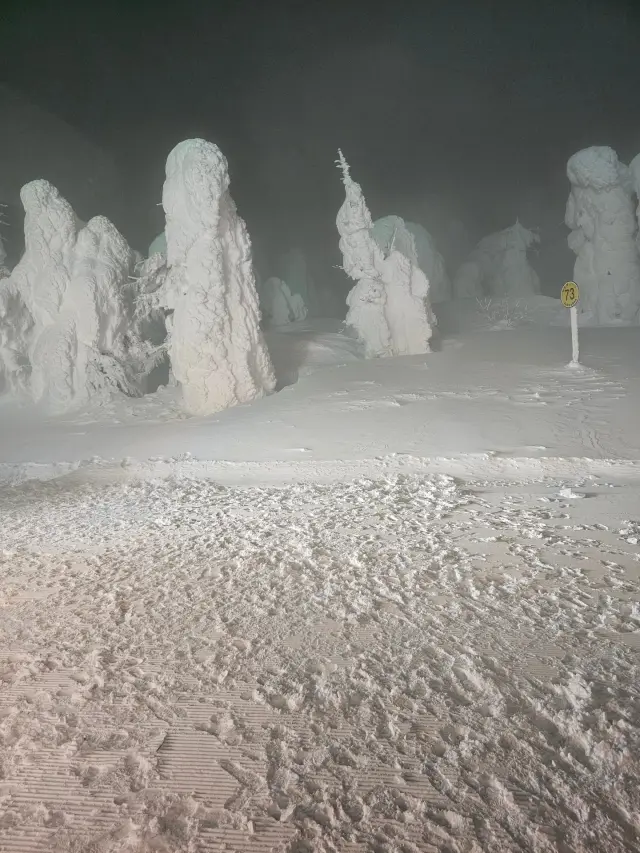
At first, I had only seen photos online and wasn't that interested in Zao's juhyo, but after seeing them in person, I was completely amazed by nature's incredible handiwork.
While doing research before the trip, I read online that juhyo form when winter snow and ice freeze onto trees and continue to accumulate, eventually transforming conifer forests high in the mountains into a fantastical landscape resembling snow monsters. Such a spectacular sight requires very unique climatic and natural conditions, so there are actually very few places in the world where juhyo can be seen. Luckily, Japan, which is very close to Taiwan, happens to have one. Before I left, everyone who had been there told me, “Make sure to dress warmly! Otherwise, your fingers and toes might just fall off along the way.”
(In the end, my fingers and toes didn't fall off, but one of my eyeglass lenses did. Fortunately, a kind woman helped me find it. I'm not sure if it was because of the cold, but it was very difficult to get the lens back into the frame. Once we got down the mountain, though, it wasn't a problem. If you wear glasses, I suggest switching to contacts to reduce fogging and the risk of losing your glasses.)
We went in February, right when the juhyo are at their most spectacular (though if you're unlucky enough to encounter a blizzard, visibility will be much lower). Fortunately, the blizzard we encountered wasn't too severe. Although it was unbelievably cold, we could still clearly see the snow monsters before us.
You really need to dress warmly! A waterproof jacket and snow boots are essential, and I also strongly recommend waterproof gloves. I even put foot warmers under my feet.)
Before leaving, we booked the ropeway and the nighttime snowcat tour, “Juhyo Fantasy Corridor.” I highly, highly recommend this tour! The snowcat was a little crowded, and the ride was quite bumpy, but the scenery along the way was so fantastical that it's hard to describe. Every snow monster had a completely different shape. As I looked at them, I thought—the snow monsters are just like us: every person is a one-of-a-kind presence in this world.
The snowcat takes everyone to a designated spot (I'm not sure if it's where the lighting looks best, but I thought it was the most beautiful), and then you get off and have about ten minutes of free time (maybe they don't let you stay out long because they're afraid everyone will freeze to death), allowing you to truly immerse yourself in the dreamlike snowy scenery. If you're not afraid of the cold, you can also try rolling around in the snow. The snow is icy cold and feels soft and fluffy, and because the temperature is so low, it doesn't melt easily. Even after rolling around in it, your clothes are still dry when you get up!
This trip to see the Zao juhyo completely changed my original impression that they “looked just okay in photos.” Some scenery really has to be seen with your own eyes before you can understand just how incredible nature can be.
Ise Jingu is mainly divided into the Outer Shrine and Inner Shrine. The traditional order of worship is “Outer Shrine first, then Inner Shrine,” but if you only have time for a day trip, most travelers usually prioritize the livelier Inner Shrine, since afterward they can go straight to Okage Yokocho. However, the Outer Shrine is closer to Iseshi Station and can be reached on foot. Since there are fewer visitors, walking among the tall trees in the sacred grounds is very relaxing. Compared with the liveliness of the Inner Shrine, the Outer Shrine feels quieter and more serene, allowing you to better sense the gentleness of the deities.
I also highly recommend the Sengukan Museum next to the Outer Shrine. It explains the Shikinen Sengu ceremony, which takes place every 20 years. What makes it especially interesting is the full-scale model of the Outer Shrine’s main sanctuary. Since visitors cannot approach the innermost area of the main sanctuary during an actual visit, seeing the model in the museum helped me better understand the true scale and architectural details of the deities’ dwelling. There are also many exhibits on the tools and craftsmanship used during the rebuilding ceremony. If you are not in a hurry, there are videos to watch as well. I really recommend it.
The Inner Shrine is larger and draws more worshippers than the Outer Shrine. After crossing Uji Bridge, you walk along the Isuzu River toward the main sanctuary, and the entire experience feels more ceremonial. The routes going in and coming back are separated, mainly because the worship route at the Inner Shrine is quite long. Getting there is not a problem, but on the way back I was truly grateful for the Sanshuden rest area. When you get tired, you can sit down and rest, and free drinking water is available inside. There are vending machines if you want another drink, and you can also purchase amulets and other shrine items here.
If your schedule allows, I still highly recommend visiting both the Outer Shrine and Inner Shrine in the traditional order. The Inner Shrine is more impressive and lively, with Okage Yokocho nearby to explore, while the Outer Shrine is much quieter. I actually preferred its forest atmosphere and feeling of worship. The two have completely different atmospheres and character, and only after visiting both can you get a fuller sense of Ise Jingu.
One reminder: the Inner Shrine has coin-operated luggage lockers, but the Outer Shrine does not, so keep that in mind if you have luggage. When I visited, I saw a traveler who had no way to store their luggage and had to drag it along. Since the sacred grounds are covered with gravel, it looked quite difficult.
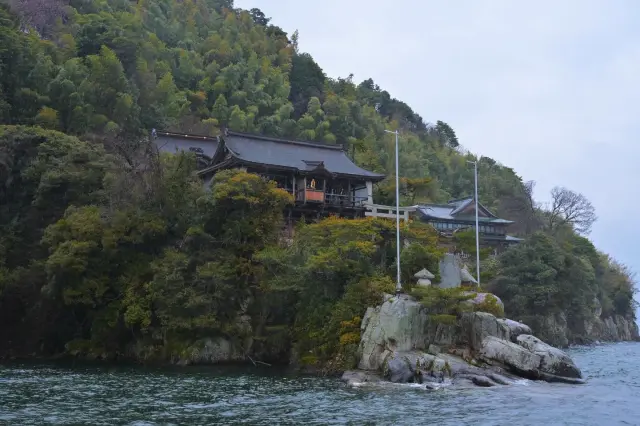
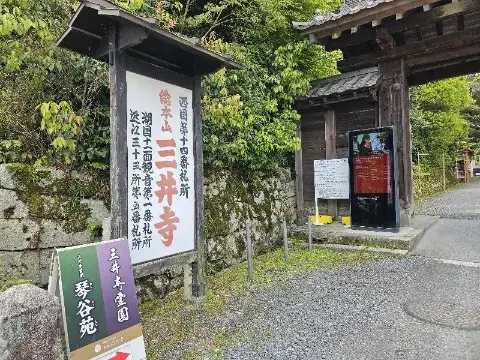
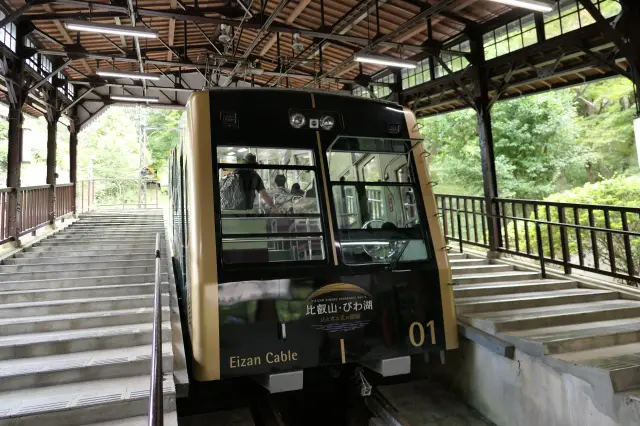
Take the Keihan Ishiyama-Sakamoto Line and get off at Miidera Station. As you follow the walking path, you can see Mii-dera Temple standing on the hill in the distance. Along the way, you pass the Lake Biwa Canal, where visitors leisurely cruise in boats.
The temple grounds are vast. Stepping inside, you feel an old-fashioned simplicity and tranquility that is difficult to put into words. There are many different goshuin available at the entrance, drawing the attention of travelers. Walking up the stone steps surrounded by the refreshing scent of the trees, I surprisingly did not feel tired at all. The wooden temple buildings truly seem to have the magical power to cleanse away the troubles of the world. Looking down from the high ground beside the main hall, the breathtaking beauty of Lake Biwa fills your view like a magnificent landscape painting.
Amakusa’s Sakitsu Village (Component of a UNESCO World Cultural Heritage Site)
This was my first time visiting Sakitsu Village, and I really loved the atmosphere here. It isn't overly commercialized or crowded. The whole village is quiet and laid-back, making it perfect for slowing down and taking a leisurely stroll. Walking through the alleys, you can see well-preserved old houses and fishing village streets, along with seaside views that feel very relaxing. The most impressive part was Sakitsu Church. It stands quietly in the village and blends very naturally with the surrounding fishing village scenery, giving you a sense of the village's rich history and culture. Taking photos and enjoying the ocean views along the way, every corner has its own charm.
I arrived at Kami-Suwa Station on the afternoon of 7/30 and checked in at 4:00. After getting settled and resting, I took a bus to the station, then a taxi to Tateishi Park for JPY 1,700. I think the best times are 18:45–19:15 for the sunset and evening glow; 19:15–20:00, when the sky changes from blue to deep blue (Magic Hour) with a hint of pink, while the mirror-like lake reflects the city lights as they come on; and after 20:00 for the full night view. However, there are really a lot of mosquitoes on summer evenings, so I recommend preparing insect repellent in advance! From the observation deck, you can take in the entire view of Lake Suwa, the city, and the surrounding mountains. It's well worth staying awhile. The park is clean and has an observation platform and rest areas, with excellent views for photos. Overall, this is a classic spot you absolutely shouldn't miss when visiting Suwa. It offers different scenery during the day and at night. Highly recommended.
I used this pass to go to Shinji, Koge, and Sakaiminato.
(Whenever I buy a JR PASS, my bargain-loving Taiwanese side comes out. I have to ride enough to get my money's worth so I don't waste the money I worked so hard for, and I want to see everywhere.)
The place that left the deepest impression on me was Shinji!
I'd always wanted to see the famous sunset over Lake Shinji. But I hadn't done my research and thought, the closest station to Lake Shinji must be Shinji Station, right? I can just get off there〜
To my surprise, as the train kept going, an incredibly beautiful sunset appeared outside the window, so I just kept staring out the window.
(I'm the kind of person who goes crazy for sunrises, sunsets, and the ocean
I was also starting to get hungry haha. At one point, I even thought about just heading straight to Izumo Taisha, thinking it would probably still be lively at night, right? Unfortunately, I couldn't work up the courage in the end⋯
And then!!!
This was where the real adventure began.
After getting off at Shinji Station, I looked around the area a bit and realized⋯ there was literally nothing there, and the station was unmanned!
There were only three students on the entire platform, plus me, so just four people.
I started getting a little nervous. Was I screwed? Should I have gotten off at Matsue instead? I hurried to buy a ticket to go back, and I kept having trouble using the machine😭
Then the three students boarded a train, and a large group of students got off, so I felt a little relieved. But within a few minutes, they all scattered like birds and animals and disappeared. It also felt like it suddenly became completely dark at that moment.
I was the only person left on the entire platform
(I was seriously panicking
I quickly called a friend and asked him to keep me company, and my mind even started wandering to urban legends like Kisaragi Station⋯
Luckily, my friend didn't laugh at me or kick me while I was down. If it had been my family, they probably would have worried while nagging me, saying that's what you get for always running around everywhere by yourself⋯ especially my grandma haha.
But honestly, I was really scared at the time.
I kept standing at the front of the platform waiting for the express train because I didn't want to take a local train—it was way too slow—and that's how I got myself into this situation.
(I'm such a genius
I didn't even dare look behind me because I didn't know whether it would be scarier if someone was there or if no one was there😖😭
Even now, looking back on it, it still feels terrifying.
But because of this, the trip gave me one more memory, and I think I was really brave!
And thankfully, I made it safely back to Tottori Station in the end and quickly ate MOS Burger to calm my nerves
(It tasted especially good
This is the story of one person's brave adventure.
(Pretty impressive, right? I don't know why I always manage to run into all kinds of situations, but that's also why I have so many experiences to write about
Fukuoka, Chikugo | Koinoki Shrine—Discovering Love in Its Purest Form Amid the Ordinary
Located in Chikugo, Fukuoka Prefecture, Koinoki Shrine is the only shrine in Japan dedicated to Koinomikoto, the deity of love. It is also one of the few shrines in the country devoted specifically to prayers for good relationships and success in love. From the approach and amulets to the ema plaques and shrine crest, hearts are everywhere, making it feel like a sanctuary filled with happiness and hope.
Unexpectedly, there were no other visitors when I went. The only sounds were cicadas, the breeze, and the quiet warmth of the sunshine. There was none of the romance of Tanabata or the bustle of Valentine’s Day, which made it easier to appreciate the shrine’s true charm. From Lovers’ Bridge and the sacred Koinoki tree to the guardian statues of the 12 zodiac animals, every detail carries blessings for love, destiny, and happiness.
Perhaps I’m already past the age of butterflies, but in this peaceful setting, I was reminded that love does not have to be dramatic. It can simply mean cherishing the person beside you and continuing to walk hand in hand through ordinary days. Koinoki Shrine watches over more than romance—it celebrates the kind of bond that lasts a lifetime. Among all the heart-shaped symbols, this visit helped me rediscover the simplest joy of happiness.
Fukuoka Tenjin: Finding genuine warmth in the heart of the city
After saying goodbye to the mountain scenery of Mount Aso and Yufuin, we arrived in lively Fukuoka Tenjin. Walking through Tenjin Chikagai, the rows of shops, food spots, and stylish urban scenery showed off the energy of a modern city. My wife bought a Fukuoka-exclusive tote bag, my daughter picked out a Kuromi charm, and we enjoyed a crispy Ringo apple pie and the familiar Chun Shui Tang. Every moment became a precious travel memory.
What I’ll remember most, though, was the yatai food stall culture at night. Using phone translation, we chatted with an elderly couple who ran the stall. Surrounded by the aroma of hot pan-fried dumplings and charcoal-grilled dishes, we felt a kind of human warmth that language can’t replace. Their sincerity and smiles made me realize that a city’s most moving scenery isn’t its high-rises or shopping malls, but the pure kindness between people.
Fukuoka is both bustling and warm. Tenjin Chikagai showed us the city’s charm, while the yatai let us experience its most genuine human touch. It left us with some of the deepest and most unforgettable memories of this Kyushu trip.
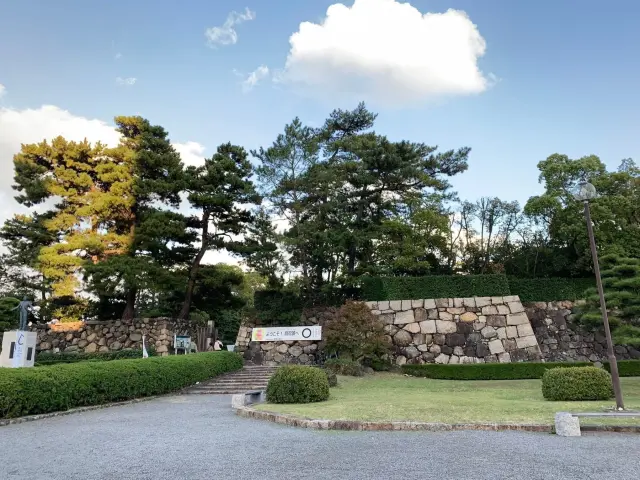
Edo Castle in the fall is almost unfairly beautiful! The slightly cool weather, paired with golden leaves covering the ground, makes walking through the spacious castle ruins feel like a movie scene.
The shoguns of the past may be gone, but the impressive gates, moats, and stone walls still feel incredibly grand. I couldn’t help stopping every few steps to take photos.
I originally thought I could see it all in half a day, but the more I walked, the more hooked I got. It felt like exploring through different stages of an adventure, and before I knew it, several hours had passed.
If you’re visiting Tokyo, don’t just focus on shopping. Set aside some time for a walk around Edo Castle. You’ll realize history can be this charming!
The views at Izu Panorama Park are absolutely worth the visit. Taking the ropeway and enjoying the mountain and ocean scenery along the way was so relaxing.
From the summit, you can see Suruga Bay in the distance. It was cloudy at ground level, but by the time I reached the top, the weather was clear—and super hot! I was so happy to see Mt. Fuji. The view was incredibly wide open.
The park is well laid out, the walking paths are easy to navigate, and there are lots of great photo spots. I highly recommend adding this to your Izu trip.
I arrived a little after noon and spent time there taking in the scenery, resting, and enjoying a limited-edition matcha drink! Around 4:30 PM, I was about to head down, but then the clouds cleared even more and Mt. Fuji became super visible! I stayed until 5:15 PM, and I was the only person left—the last one to go down. It was truly beautiful!
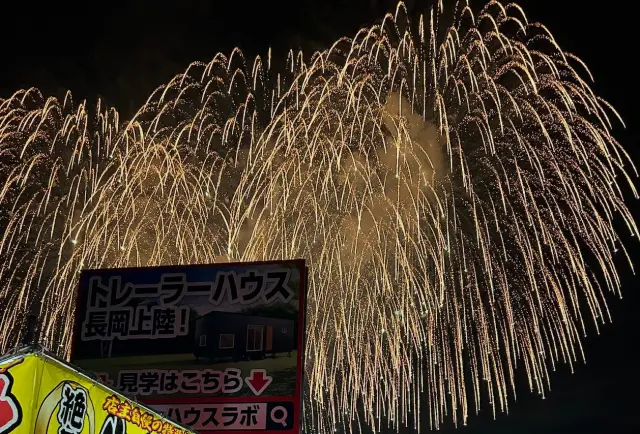
Both the fireworks and the event organization itself are fantastic.
The fireworks from the viewing seats are truly impressive, and the event is run so well that you can enjoy them in relative comfort.
There are a lot of spectators, but I think going by Shinkansen or train is very smooth and convenient.
Between Nagaoka Station and the viewing area, there are plenty of places to buy food and drinks, including shops, food stalls, and local supermarkets. It’s fun to walk while imagining how you’ll spend the evening watching the fireworks.
The viewing areas are divided into many large sections, but there are plenty of signs, guidance, and staff directing people, so even if you get a little lost, you’ll definitely make it to your seat. There are many people, but they’ve put a lot of thought into keeping everyone moving smoothly, so there is less confusion and heavy crowding than you might expect.
Warner Bros. Studio Tour Tokyo - The Making of Harry Potter
This was a place where you could fully immerse yourself in the world of Harry Potter.
You can comfortably follow along and see scenes and settings from the movies, as well as behind-the-scenes details about the production. Since it’s mostly indoors, you can enjoy it anytime without worrying about the season.
When you enter, there’s a museum shop and a cafe. The museum shop has all kinds of Harry Potter-related items, so I think it’s a good idea to first look for things to enjoy during your visit, then stop by again at the end for souvenirs or keepsakes.
Once the tour starts, you follow the staff at first, but after that you’re free to explore on your own. If you take your time, it takes about 3–4 hours. There are also places along the way where you can eat or try Butterbeer, so you could easily spend a relaxing full day there. There was one smoking area inside.
Ghibli Park had been on my wish list for so long, and I finally made it!
Tickets are seriously hard to get. We even used 5 phones at the same time to try for them, and luckily we got some. It felt like such an achievement!
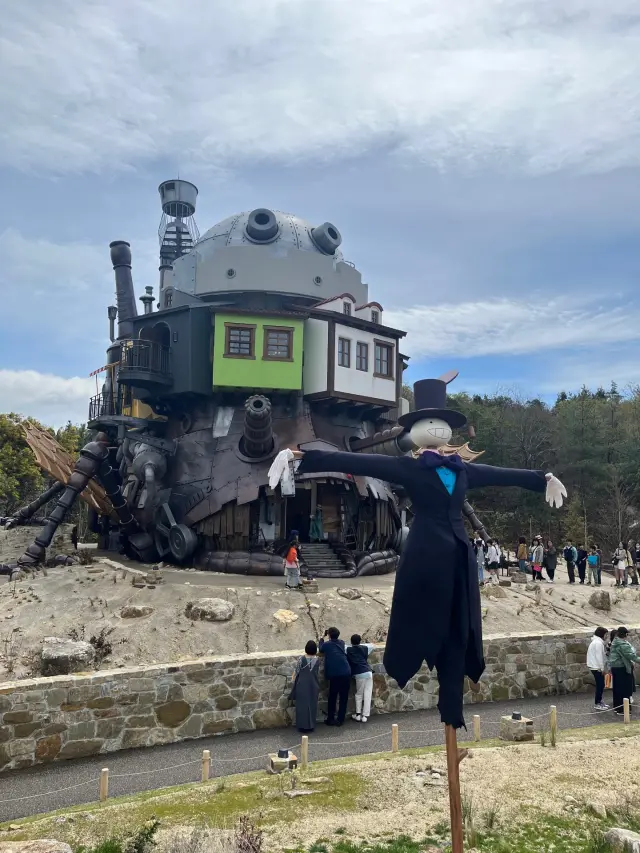
The whole park feels like stepping into the world of a Studio Ghibli film. Every corner is packed with little details, and I honestly didn’t want to leave. My favorite was the newly opened Valley of Witches from 2024. You can walk into Kiki’s house from Kiki’s Delivery Service and see scenes from Howl’s Moving Castle. It really feels like you’ve become part of the story.
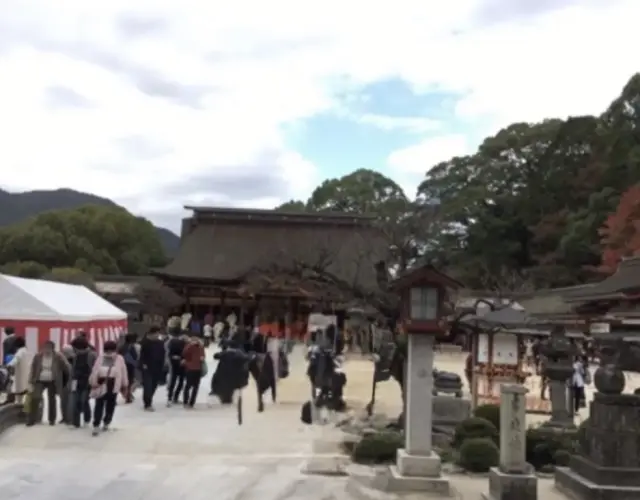
And of course, don’t miss Guchoki Bakery. You can actually buy the bread that appears in the movie, and it’s both adorable and delicious.
If you’re a Ghibli fan, this place absolutely deserves a spot on your lifetime must-visit list! Just make sure you get tickets first, or you’ll be stuck envying everyone else.
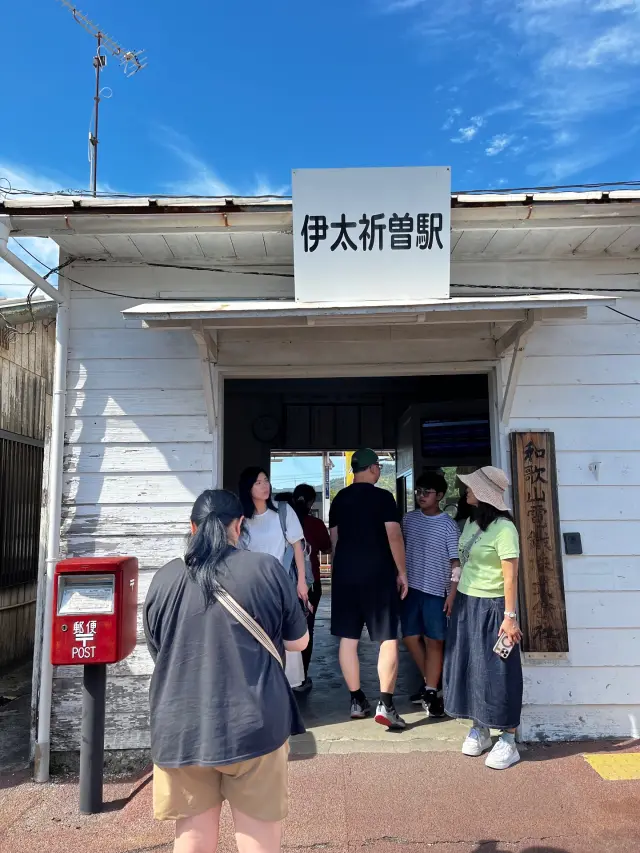
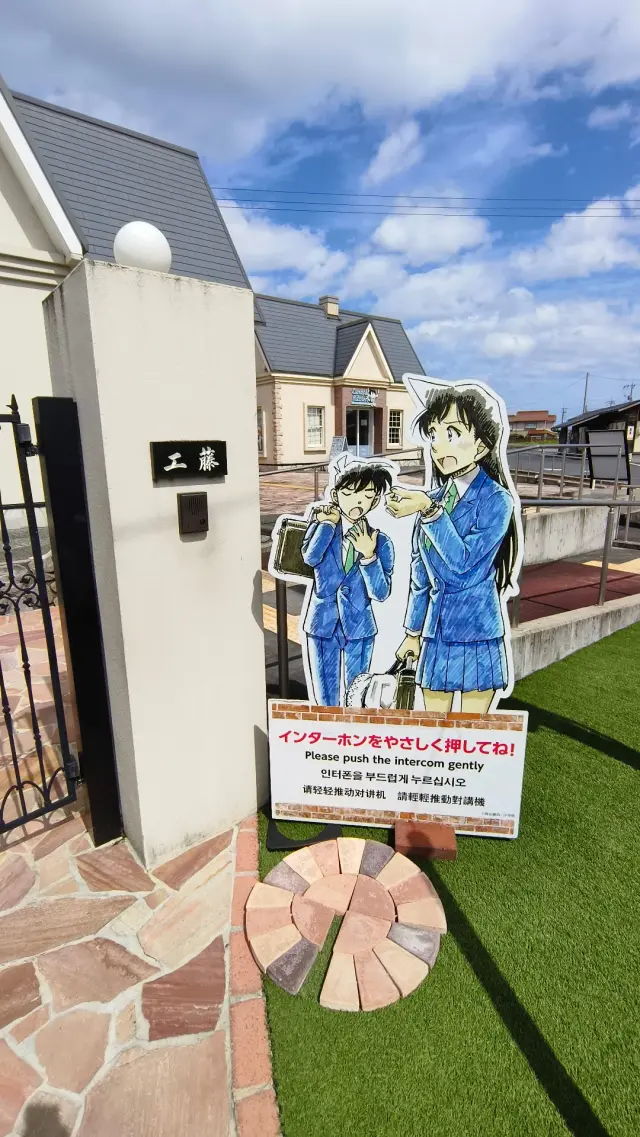
This is a must-visit spot for Conan fans. The moment you step out of JR Yura Station, it feels like you’ve truly entered the world of Detective Conan.
Inside and outside the station, familiar characters are everywhere. As you walk slowly along “Conan Street,” you’ll come across statues and murals of Conan, Ran Mouri, Ai Haibara, Kaito Kid, and more. It’s only about a 15–20 minute walk, but fans may easily spend an hour taking photos and hunting for little details, not wanting to leave.
Once you arrive at the Gosho Aoyama Manga Factory, it feels even more like stepping into the creator’s imagination. You can see valuable original manuscripts, character designs, and stories behind the work, along with plenty of interactive experiences. It brings back the excitement of falling in love with Conan for the first time.
The nearby Beika Shopping Street is also worth taking your time to explore. From the buildings and food to the exclusive merchandise, there are little surprises everywhere that only fans will fully appreciate.
This isn’t just a place for photos. It’s a pilgrimage town where Conan fans will keep saying, “I know this!” and “So this really exists!”
I’d recommend planning at least half a day here. But for true Conan fans, even a full day might not feel like enough.
Tennoji Zoo was originally just one stop on our trip, but it ended up being one of the biggest surprises in Osaka! It’s right in the city, so getting there is super convenient. With about 170 species and 1,000 animals, it’s much bigger than I expected.
What impressed me most was that the animals all seemed well cared for. Their spaces were roomy, and the grounds were clean and well maintained, without the usual zoo smell. We took our time walking around and saw giraffes, polar bears, penguins, and lions. Before we knew it, we had spent several hours there.
If you’re traveling independently in Osaka and want a spot that both adults and kids will enjoy, Tennoji Zoo is definitely worth adding to your itinerary!
Iwami Ginzan, the first mining site in Asia to be registered as a World Cultural Heritage Site, is truly a place worth wandering through. The local people take great pride in preserving their culture, and everything you see has been carefully kept as it was 200 to 300 years ago during the Edo period. There’s no sense of commercialization at all.
We learned a lot from our friendly guide and had a wonderful afternoon stroll. Because of time, we didn’t make it to the mining area farther back, but I’d definitely love to visit again someday!
The cave exploration at Akiyoshido is a must-try activity for travelers who love adventure!
It was my first visit, and instead of taking the standard route, we headed down underground. My favorite part was when the guide asked us to turn off all our headlamps so we could experience the deep darkness and silence inside the cave. All we could hear was the gentle sound of flowing water, and it really helped us slow down and feel calm.
Along the way, we also learned how to look at rocks and stalactites. I had no idea that the material used for Todaiji Temple’s bronze Great Buddha also came from here! The whole activity took about two hours. It was physically demanding and we were drenched in sweat, but seeing the stunning blue-green underground lake at the end was the best reward and surprise. Highly recommended!!!
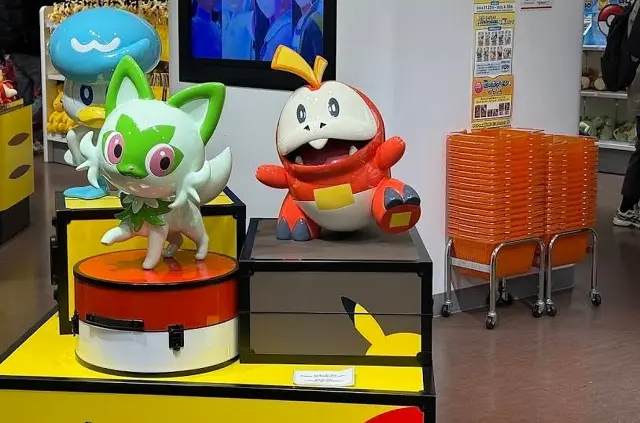
I’ve gotten really into Pikmin lately, so on this trip to Tokyo I made a special stop at Pokémon Center MEGA TOKYO to look for cute Pikmin and Pokémon merch.
The moment I walked in, I couldn’t help but gasp. The entire floor was packed with Pokémon items, from plushies and stationery to everyday goods and limited-edition products. There was so much to see that I wanted to stop and browse every corner.
I originally thought I’d “just take a look,” but once I saw all the adorable items, I totally gave in. My shopping basket kept getting fuller and fuller. It’s such a fun place to shop, but definitely dangerous for your wallet.
If you love Pokémon or Pikmin, this is an absolute must-visit on a trip to Tokyo. You’ll definitely be going home with a huge haul!
Highly recommend taking the cable car up Mount Sarakura around sunset! The scenery on the way up is already beautiful, and once you reach the top, the night view feels totally worth it. You can see the whole sea of lights across Kitakyushu, and the view is amazing. It looks even more stunning in person than in photos.
The air at the summit feels so nice, and it’s a great place to take your time enjoying the night view and snapping some pictures. If you’re visiting Kitakyushu, I definitely recommend coming here in the evening. It’s romantic and relaxing, and it’s the kind of place that makes you want to come back again.
Kokura Castle is absolutely worth visiting in the fall! I happened to catch the leaves changing, and the mix of red and yellow against the castle was unbelievably beautiful. Every photo turned out great.
The grounds aren’t too big, so it’s perfect for a relaxed stroll. You can enjoy the historic architecture while soaking in the autumn atmosphere.
The cool weather made it really comfortable to walk around, and the whole place felt clean and peaceful without being too crowded. If you’re visiting Kitakyushu in the fall, I definitely recommend adding Kokura Castle to your itinerary. It’s truly beautiful and super photogenic!
The place that amazed me the most—and that I’ll never forget—on my first solo trip was Miyajima.
I usually get seasick super easily, so I was honestly a little worried before leaving. Maybe I was just too excited, but surprisingly I didn’t feel seasick at all during the whole ferry ride. The ocean views along the way were already beautiful, and once I actually arrived on Miyajima, I was even more blown away.
As soon as I got off the ferry, I saw deer everywhere, casually wandering around the island without being afraid of people at all. The whole island made me slow down without even realizing it. I walked along the streets feeling like I had somehow wandered into a hidden paradise. Even though there were plenty of tourists, it didn’t affect my enjoyment one bit.
I really loved all the little details hidden around Miyajima. The guardian-beast statues at the shrine had such cute expressions—one of them looked adorably goofy, and it made me laugh. The one on the other side looked totally serious, like it was there just to set the tone.
I happened to visit at low tide, so I got to admire the Great Torii up close. That’s when I noticed the pillars were covered in moss, which made me laugh again—it was such a different side of it.
Even now, when I think back on it, I’m still impressed with myself. Even though I knew I get seasick easily, I still chose to take this trip. I didn’t mind that the hems of my pants got covered in wet sand, because everything in front of me was absolutely worth it.
And because of Miyajima, my lucky trip to Japan was given its most unforgettable page.
My favorite place of all.
There’s something almost magical about the reflection at Byodoin—it instantly makes you feel calm. Watching the Phoenix Hall perfectly mirrored on the pond is something I could never get tired of. No matter how many times I see it, I fall in love with it all over again.
Compared with the crowds at Kyoto’s other popular spots, Byodoin has a special elegance.
What I love most is sitting down at the wisteria tea house there, ordering an authentic Uji sencha and dessert, and gazing out at the greenery and garden outside the window. Enjoying that peaceful, Zen-like moment without any interruptions was honestly one of the best parts of my trip. It feels like a secret hideaway just for the people who truly appreciate it.
And the tea is so, so good—I still miss it.
Kenroku-en, one of Japan’s three most beautiful gardens, is truly so beautiful you won’t want to leave!
The weather was amazing when I visited this time. With the blue sky, white clouds, and elegant Japanese garden scenery, every corner looked as beautiful as a postcard. From the delicate ponds and classic garden landscaping to the pine trees and pathways full of Japanese charm, everything made me want to keep taking photos.
Kenroku-en has a different character in every season, and I felt really lucky to visit on such a perfectly clear day. Walking through the garden, I could really feel the rich culture of a traditional Japanese garden and its peaceful atmosphere, which made me forget the busyness of everyday life for a while.
If you’re planning a trip to Hokuriku in Japan, Kenroku-en is absolutely a place you should visit at least once in your life. Highly recommended!
Tadao Ando perfectly buries the entire building beneath the hillside, leaving only geometric courtyards and skylights exposed. Walking through the stark geometric lines of the exposed concrete, everything is illuminated solely by natural light flowing freely with the time of day and the weather.
When I stepped into the Monet Water Lilies gallery, the pure white floor beneath my feet—made of tens of thousands of small marble pieces—and the natural light pouring down from above made the paintings, the space, and nature feel completely unified. It was so breathtaking I almost held my breath.
This is not just a place to look at paintings, but a profound dialogue between the body, space, light, and shadow.
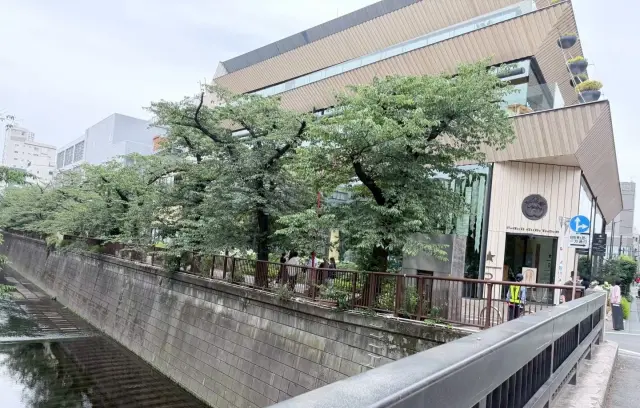
I was really surprised after visiting the Starbucks Reserve Roastery Tokyo. It's completely different from a typical Starbucks! The moment you step inside, you're surrounded by the aroma of coffee beans. The huge copper roaster is an impressive sight, and it's fascinating to watch the beans move through the copper pipes. Each of the four floors has a different style, and the wooden interior designed by Kengo Kuma feels warm and refined. You can also see the Meguro River in the distance from the third-floor terrace.
The baristas are incredibly skilled, and the freshly roasted beans have such a rich aroma. You can watch the entire process as the coffee goes from green beans to a finished drink. The overall experience is fantastic, and coffee lovers should definitely make a pilgrimage here!
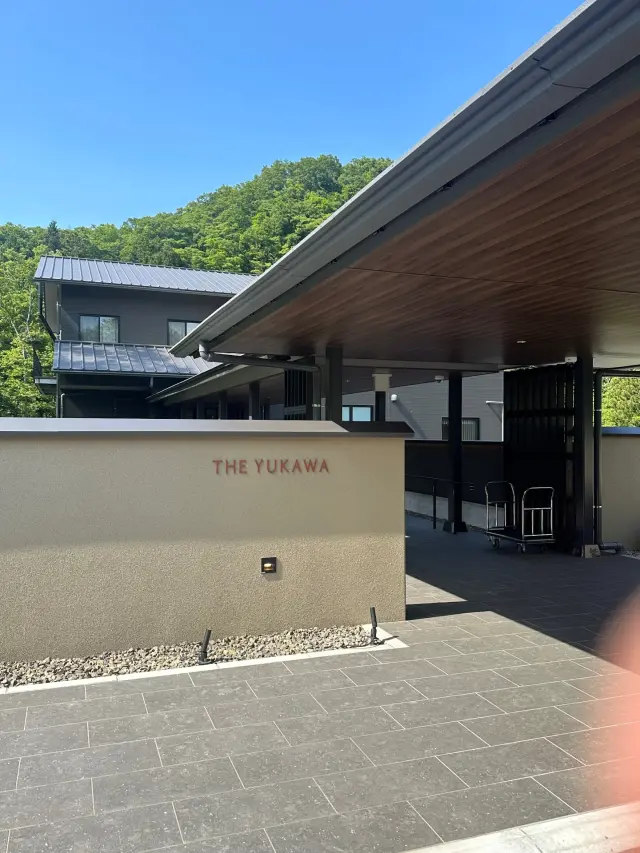
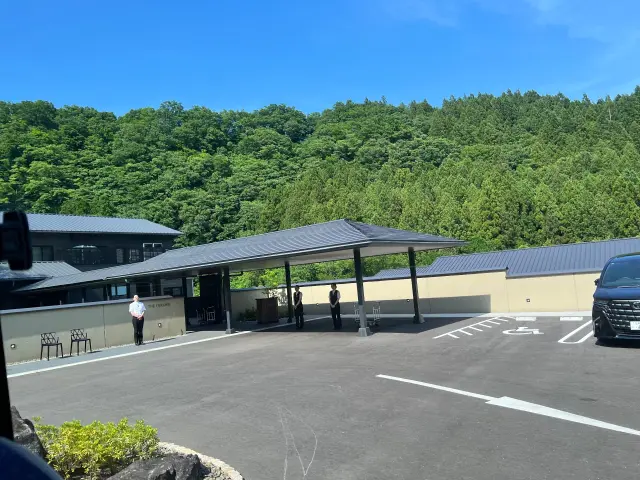
I stayed here with my best friend this time, and it felt incredibly relaxing and comfortable. Once we got to the room, we honestly didn’t want to leave. The terrace opens out to nature, with birdsong, insects chirping, and the sound of the stream all around us, plus nothing but lush greenery in front of us. After soaking in the hot spring, we sat on the terrace together, chatting, drinking tea, and just zoning out. Doing absolutely nothing turned out to be the most relaxing luxury.
Dinner was a carefully prepared kaiseki meal by the hotel, and they thoughtfully checked our dietary restrictions before our stay. As my friend and I enjoyed the food and shared stories from our trip, each course arrived one by one. Not only was everything delicious, but even the plating and tableware were beautifully chosen. You could really see the care that went into it.
The meal featured lots of seasonal ingredients, so we got to enjoy their freshest and most natural flavors. Even though dinner lasted nearly two hours, it didn’t feel long at all. If anything, it gave us more time to slowly enjoy both the food and the view outside. There was no pressure to rush to the next thing, just a happy, meaningful time together that left me feeling completely satisfied.
What impressed me most during the stay was how much the hotel valued privacy. The staff never hovered or interrupted too much, but whenever we needed anything, they were quick to help. That made the whole stay feel both comfortable and reassuring, and it let us fully enjoy our relaxing time together without any worries.
When it was time to pack and leave, I really didn’t want to go. This little trip with my best friend didn’t involve a packed itinerary. We simply slowed down and enjoyed the scenery, the food, and each other’s company, and that made it feel especially healing.
If you love nature, care about the quality of where you stay, and want a place to relax and recharge with a close friend, I’d absolutely recommend this place.
Some hotels are easy to forget after you stay there, but this one is different. The setting, the food, and the service all left a lasting impression. It’s also a wonderful place to unwind with your best friend, have heartfelt conversations, and enjoy a stress-free trip.
Dolphin Watching Reservation Center (Amakusa City, Kumamoto)
There’s a realistic dolphin statue by the entrance with the day’s date on it, so you can take a one-of-a-kind souvenir photo.
We were lucky to have great weather. The waves were calm, and the boat ride out was very smooth. The clear seawater sparkled like crystal in the sunlight. There are 200 to 300 wild bottlenose dolphins living here, and the captain expertly guided us to them, so there was hardly any worry about missing out.
Seeing so many dolphins swimming and jumping up close with my own eyes was incredibly exciting and moving! Watching their graceful movements underwater and hearing the vivid, real sound of their blows made it more than just a chance to see cute animals. It also gave me a deeper appreciation for the beauty of our planet and the importance of cherishing it.
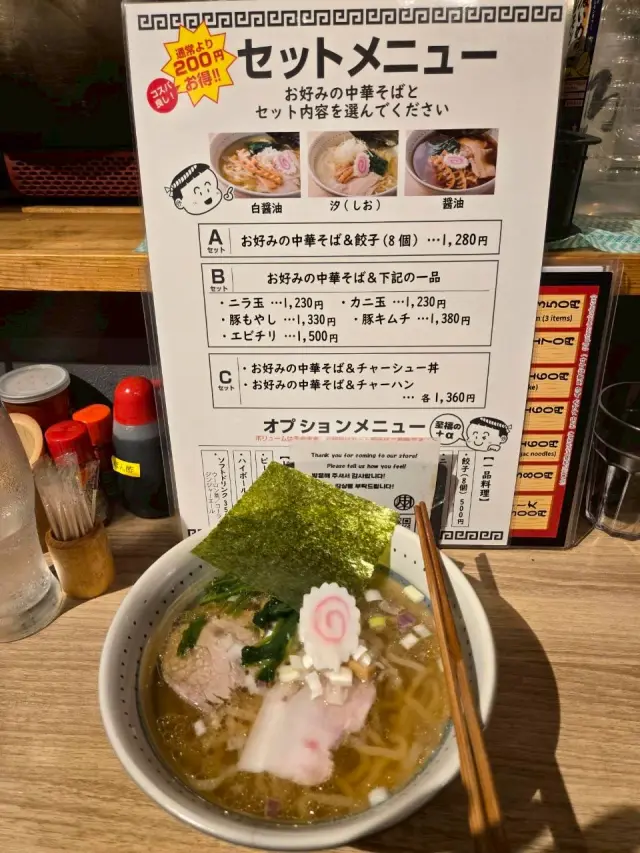
The white soy sauce ramen broth looks light, but it has a lot of depth and doesn’t taste overly salty. Once the noodles soak up the broth, they go down really smoothly.
It was my first time trying Hakata’s specialty gurukawa, and the chicken skin was grilled crispy on the outside and pleasantly chewy inside. The more you chew, the more flavorful it gets, and it pairs really well with the ramen. If you’re around Tenjin, I definitely recommend giving this place a try. The white soy sauce ramen with their signature chicken skin skewers is a combo that makes me want to come back again.
This is the mountain known as the “Shiroi Koibito” mountain, and its appearance changes constantly with the time of day and the weather.
Sometimes it feels gentle and poetic, and other times grand like a painting. I couldn’t stop taking photos of it.
June through October is the best time to visit the island. The weather is pleasant and great for hiking.
The information center at the ferry terminal also has helpful materials, which is very convenient.
Be sure to pay close attention to the ferry schedule when visiting.
The ferry service is limited, so our stay wasn’t very long.
But if you can stay one extra day, you’ll be able to fully enjoy the island’s relaxed atmosphere.
And you can feast on fresh seafood to your heart’s content.
That’s truly one of the happiest moments of traveling.
An architectural vibe that instantly transports you to Europe.
A great old European-style district for a relaxing stroll!
Kobe’s Former Foreign Settlement was designated as a residential area for foreigners after the Meiji Restoration. Today, it still preserves its classic Western architecture and tree-lined grid streets. Lined with international luxury brands, fashion boutiques, and stylish cafes, it’s one of Kobe’s most romantic European-style spots for shopping and walking around. 📍
Stepping into Ueno Farm feels like falling into a European fairy tale in an instant.
The owner has brought a warm English-style garden to Hokkaido, and the biggest surprise is the many little fairies hidden among the flowers and greenery. These delicate art installations add a fun, treasure-hunt-like fairy-tale charm to a walk through the garden.
Following the path up the hill, the row of colorful rainbow chairs at the top is a photo spot you absolutely shouldn’t miss. Sitting here and looking down, you can take in the patchwork-like garden and the wide-open rural scenery all at once. When the breeze blows through, being surrounded by all those colors and nature feels so soothing that it makes you want to sit there and lose track of time.
What impressed me most on this visit to Amanohashidate Kasamatsu Park was the moment I stepped onto the observation deck. The view in front of me was truly different from what you see in photos. It wasn’t until I saw Amanohashidate with my own eyes—known as the “Flying Dragon View”—that I understood why this place is so famous. Riding the cable car slowly up the mountain was very relaxing, with lovely scenery along the way. At the top, the air was fresh and naturally made me slow down.
Even though there were quite a few visitors that day, the overall environment was very well maintained, so it never felt crowded or overwhelming. I especially enjoyed sitting in the viewing area, feeling the breeze, and looking out at the bay and mountains in the distance. It felt like all the stress I’d built up in everyday life was just swept away. Amanohashidate Kasamatsu Park is more than just a photo spot—it’s a place where you can truly slow down and appreciate the beauty of nature. If I get the chance to travel to northern Kyoto again, I would definitely want to come back.
You have to take off your shoes as soon as you enter, and in some areas you even walk directly through water. With the lighting, music, and mirrored spaces, it feels incredibly immersive.
My favorite was the Floating Flower Garden. The flowers slowly change as people move around, and seeing it in person felt absolutely dreamy. Photos really can’t capture what it looks like with your own eyes.
The overall flow was smooth, and the staff were all very kind. Even though it was pretty crowded, it was still well worth taking your time to experience.
I highly recommend coming with friends or your partner. It really feels like a brief escape from the real world. If it’s your first time in Tokyo, I think this is definitely one of the spots worth adding to your itinerary. The new exhibition area was especially fun too, with lots of interactive elements!
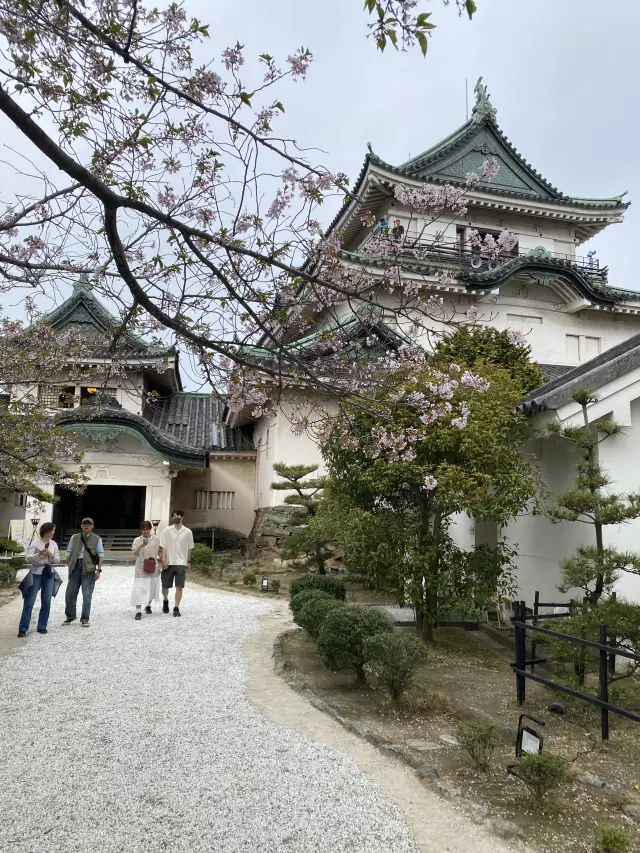
I took a stroll around Wakayama Castle.
Thanks to my friend in Osaka, they even drove me all the way from Osaka to visit Wakayama Castle and the grounds.
It was a shame that cherry blossom season 🌸 was already coming to an end.
Wakayama Prefecture, in Japan, is located on the Kii Peninsula.
It’s known for the Kumano Kodo, Mount Koya, Shirahama Onsen, and Wakayama Castle, and it’s a famous hot spring getaway.
It’s also only about a 1.5-hour drive from Osaka, which makes it perfect for a quick 1-2 day trip.
It was my first time visiting Wakayama, and I was surprised by how few people there were in the city!
Other than the area around the train station, everywhere else felt pretty quiet,
and there were very few tourists too.
I really didn’t expect that.
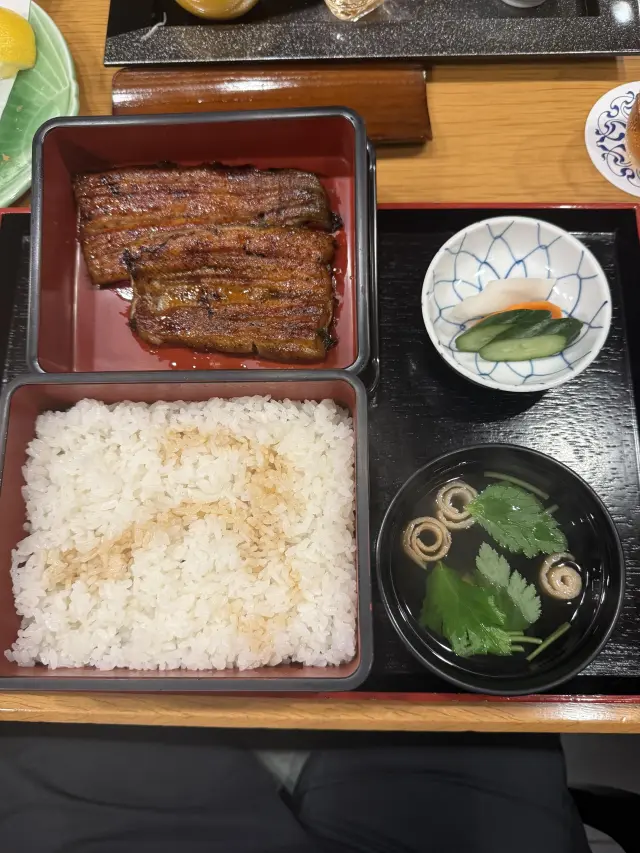
It’s not the easiest place to find on foot from Fuchu Station, since it’s tucked away in a residential area. But as soon as you walk in, you’re greeted by a small Japanese-style courtyard that instantly helps you relax. The staff were also incredibly kind, with a warm, welcoming vibe that felt almost like being taken care of by a friendly older sister.
The most impressive part was definitely the eel rice bowl. Especially when the sauce was poured over the steaming hot rice, the aroma was amazing. Once you take a bite, the texture of the eel and the rich sauce blend together perfectly, and it honestly makes you want to keep eating bite after bite. Besides that, the other dishes were also consistently good. It’s definitely a place I’d want to come back to.
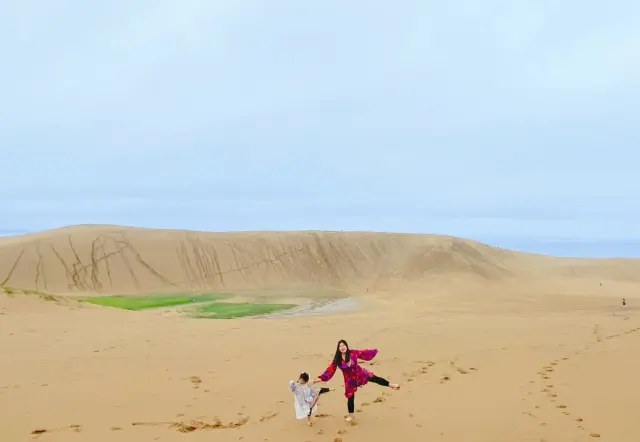
The Tottori Sand Dunes felt like stepping into a boundless world.
The wind was strong, and the sand was so fine. Every step left a mark, only to be quickly erased.
That soft feeling of sinking into the sand made me want to slow down, but also keep walking forward.
Seeing the desert and the sea in the same view was really something special.
I originally thought The Sand Museum would just be about sand sculptures, but the works in front of me were unbelievably detailed. The expressions on the faces, the layers in the folds of clothing, and even the depth of light and shadow were all created entirely from sand.
Izumo Taisha is not only one of Japan’s oldest shrines, but it also enshrines Okuninushi no Mikoto, a deity tied to the classic myth of the White Rabbit of Inaba. Rabbits here symbolize healing, rebirth, and good luck, so you can spot lots of small rabbit-themed statues throughout the shrine grounds.
After helping my daughter put on a kimono, she turned around and looked like she had stepped right into a Japanese story. What made her happiest was discovering one little rabbit after another all around Izumo Taisha.
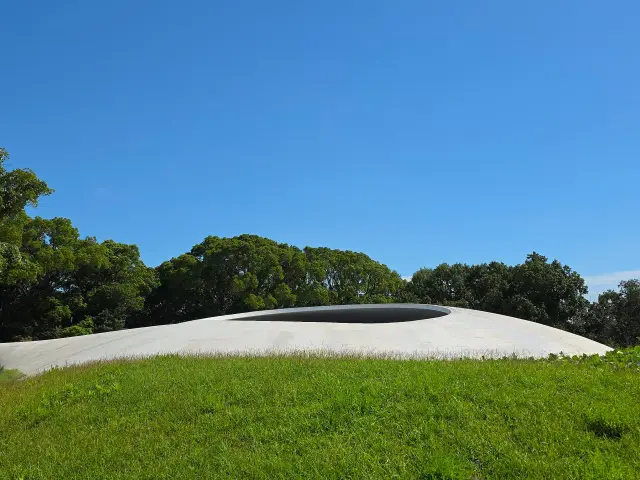
Ise Jingu is said to be a place every Japanese person should visit at least once in their lifetime, and I’ve been there twice!
The first time, I underestimated the travel time and could only rush through the Inner Shrine. This time, I gave it another try and successfully visited both the Inner Shrine and the Outer Shrine.
Travel guides say the proper order is to visit the Outer Shrine first and then the Inner Shrine, so we took the Kintetsu train from Toba to Iseshi Station. As soon as you exit the station, you can see a huge torii gate, and straight ahead is the approach to the Outer Shrine. There are quite a few tasteful shops lining both sides of the path. On the shrine grounds, the irises by Magatama Pond had already started to bloom. Walking along the gravel path surrounded by greenery on both sides, we finally arrived at the main shrine to pray.
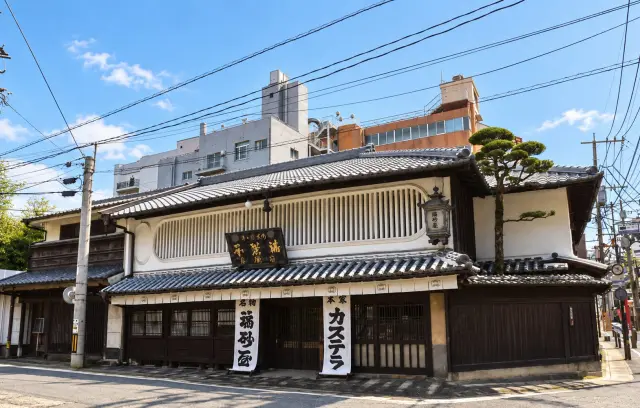
After that, we took a bus to the Inner Shrine. The Isuzu River was as clear as ever and left an unforgettable impression. Finishing my visit to the Inner Shrine truly made up for the regret I had carried for years.
As soon as we got in, we headed straight to The Wizarding World of Harry Potter. Seeing Hogsmeade from the books and movies brought to life right in front of us was honestly so moving.
Of course we had lunch at the Three Broomsticks too. Eating by the lake with Hogwarts in view, plus a cup of Butterbeer, was such a treat!
The parade is also something you absolutely shouldn’t miss. As soon as the music starts, you just want to dance along. The energetic dancers lead the floats forward, and everyone is so into it, putting on an amazing show for the crowd. Halfway through, guests are allowed to get up close to the floats and dance with the Minions, and it really feels like you’re part of the world yourself!
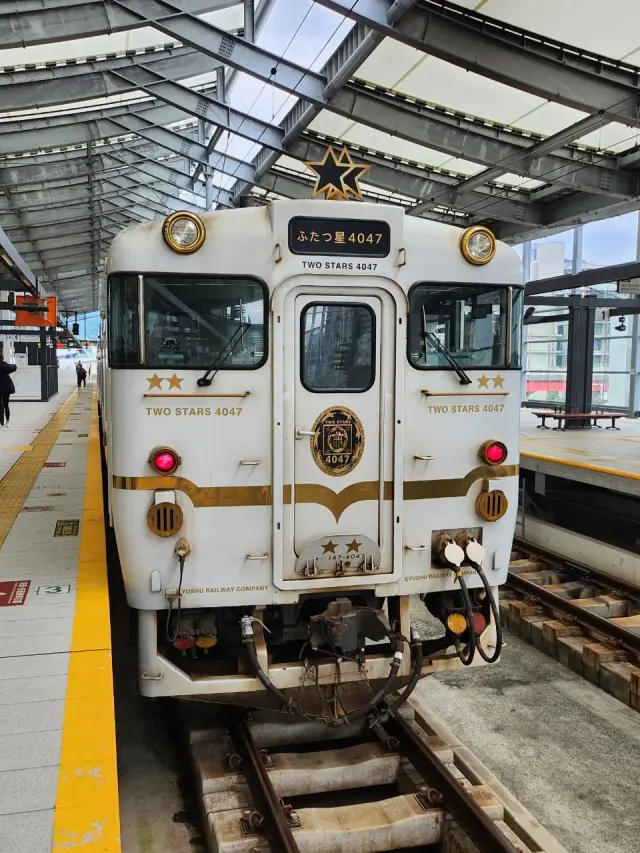
Instead of taking the Shinkansen, choose the Kintetsu "HINOTORI"!
The Kintetsu Limited Express "HINOTORI," with its crimson-red exterior, runs between Osaka and Nagoya and focuses on providing a comfortable ride. It offers both premium and standard cars, and if you get the chance to ride it, I recommend choosing the premium car. The fare is only JPY 700 more, but the seats are much more comfortable and the windows feel more open and spacious. The whole atmosphere feels upscale, and it makes it easy to fully relax during the trip.
The bench area is another highlight you shouldn’t miss. It’s a great place to change up the mood during the journey. Grab a coffee or snack from the café area nearby and quietly watch the scenery change outside the window—it has a special charm of its own.
Aomoriya is a place that packs Aomori culture into one resort.
The ponies greeting guests and the warm, peaceful tatami rooms made a great impression. At night, “Michinoku Matsuriya” recreates the lively atmosphere of the Aomori Nebuta Festival.
The kids loved the apple juice tap and kept going back for cup after cup.
The buffet dinner was incredibly abundant and full of Aomori特色: sweet, fresh shrimp, thick raw scallops, and freshly grilled miso giant scallops... everything was delicious.
Both the Ukiyu and Motoyu hot springs had a wonderful atmosphere, and the water quality was excellent. They even had a moon-shaped bathtub, a large bath for children, kids’ bathing chairs, and even a crib in the changing room, so little ones could enjoy the hot spring experience too.
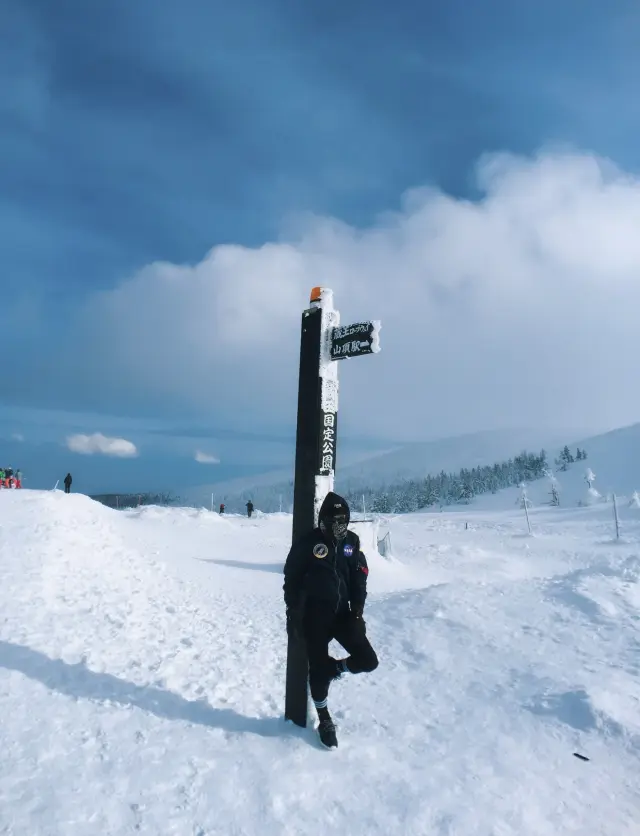
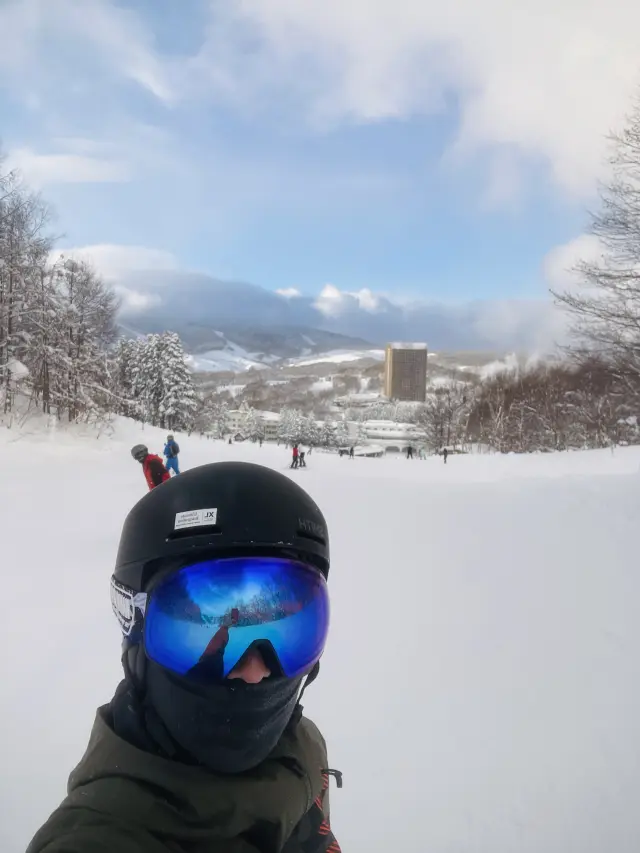
Finally made it up to Zao to see the snow monsters. Honestly, this was a totally spontaneous trip—didn’t overthink it at all. Just picked a date and went.
There wasn’t a single moment where I doubted the plan. Every day we took it at a steady pace and trekked deep into the snow. I’ve traveled to Japan well over 100 times, but this time I was freezing from day one all the way to the last day. Soaking in an onsen every night though… what more could you ask for?
The weather up on Zao was unbelievably good, and I was beyond excited the whole way—like a country bumpkin seeing everything for the first time. Gotta say, I dressed smart and stayed perfectly comfortable. Would I go up again? Yes!
Thank you for signing up.
A confirmation email has been sent to your registered email address.
If you do not receive the email, it may have been filtered into your spam folder.
If you have enabled domain-specific reception settings, please check your settings to ensure that emails from our site can be received.